
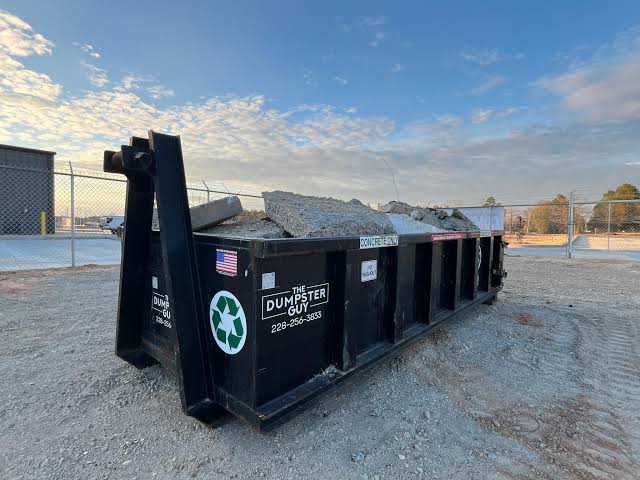
Every project creates waste. It might be a kitchen renovation that leaves old cabinets and broken tiles behind, a construction job with piles of lumber and drywall, or a major property cleanout that has been put off for far too long. Whatever the situation, having a reliable way to handle debris makes the work easier. One of the most important decisions is choosing a dumpster that fits the job without taking up unnecessary space or requiring repeated pickups.
Roll-off dumpsters come in different sizes, and the right choice depends on more than the amount of rubbish you can see at first glance. The type of material, the project timeline, and the available space all play a part. A little planning before delivery can save time, reduce frustration, and help keep the site organised.
Start With the Scope of Your Project
Before choosing a container, think about what the project involves from beginning to end. A small bathroom renovation may produce a surprising amount of heavy debris, while a larger household cleanout might involve plenty of lightweight items that take up considerable room. The volume of waste alone doesn’t tell the whole story.
Make a rough inventory of the materials you expect to discard. Furniture, packaging, wood, drywall, roofing shingles, and yard debris all occupy space differently. If the work is still in the planning stage, speak with your contractor about the likely volume of waste. Their experience may help you avoid underestimating the amount that will accumulate.
It also helps to consider how quickly the debris will be generated. A weekend cleanout may fill a container in a day, whereas a construction project could produce waste steadily over several weeks. Your rental period and collection schedule should match that pace.
When a Smaller Container Is Enough
For modest renovations, garage cleanouts, landscaping projects, or other jobs with a limited amount of debris, a smaller roll-off container may be a sensible option. It can provide enough room for waste without occupying more driveway or worksite space than necessary.
A 20 yard roll off dumpster is often considered for medium-sized residential projects, including room renovations, flooring removal, and substantial household cleanouts. Its actual capacity depends on the container’s dimensions and the materials being loaded, so it’s worth discussing your plans with the rental provider before booking.
Remember that the container must be filled safely. Heavy items should be distributed appropriately, and waste should not extend above the permitted fill line. Even when there appears to be room for another load, the dumpster may already be at its weight limit. This matters especially when removing roofing materials, soil, concrete, or other dense debris.
Handling Larger Renovations and Construction Work
Some projects generate waste faster than homeowners expect. Removing several rooms of old flooring, replacing a roof, renovating a commercial interior, or clearing out a property after years of accumulated belongings can produce a substantial volume of debris. In these cases, a larger container may help keep the work moving.
A 30 yard dumpster can be suitable for many larger renovation and construction projects. It provides more space than a smaller container and may reduce the need for an early swap or additional pickup. Contractors may also consider this size when managing waste from extensive remodeling, depending on the material and expected volume.
Still, bigger isn’t automatically better. A container that is too large may take up valuable room, complicate access, or cost more than the project requires. The goal is to choose a size that reflects the expected waste while leaving enough space for workers, vehicles, and equipment to move around safely.
Ask the rental provider about the container’s footprint and placement requirements. Measure the intended location, check overhead clearance, and make sure the delivery truck can reach the site. A suitable dumpster won’t help much if it cannot be placed where the work is happening.
When the Project Calls for Maximum Capacity
Large construction jobs, extensive demolitions, commercial cleanouts, and major property renovations can generate an impressive amount of waste. When debris accumulates across a broad work area, frequent container exchanges may interrupt progress and create additional coordination.
A 40 yard dumpster is generally used for projects that produce a high volume of suitable waste. Its capacity can be useful for bulky materials and large cleanouts, but the container’s weight restrictions still apply. Heavy materials may reach the permitted limit well before the dumpster looks full.
Before ordering the largest available option, confirm that the waste is accepted and that the container can be positioned safely. Some materials, including certain chemicals, batteries, tires, appliances, and hazardous waste, may require separate handling or special arrangements. Concrete, dirt, and similar heavy debris can also have specific loading limits or need a different container type.
A quick conversation with the provider can clarify these restrictions before the project begins. That small step may prevent delays, unexpected fees, or the need to unload prohibited materials later.
Think About Access, Placement, and Timing
Dumpster size is only one part of a successful rental. The location matters just as much. A driveway may work well for a home renovation, but a narrow street, shared parking area, or busy construction site may require more careful planning.
Check the available space before scheduling delivery. Consider nearby vehicles, gates, low branches, overhead wires, and the path workers will use to carry debris to the container. If the dumpster will be placed on a private driveway or another surface that could be damaged, ask the provider about protective boards or other precautions.
Timing deserves attention, too. Ideally, the container should arrive shortly before waste removal begins, with collection arranged before it obstructs access or reaches its limit. If your project schedule is likely to change, ask how extensions, exchanges, and early pickups are handled.
Keep Costs Predictable
The rental price may depend on container size, rental duration, delivery distance, disposal fees, and the type and weight of the material. Additional charges can sometimes apply when a container exceeds its weight allowance, contains prohibited items, or remains on-site longer than agreed.
Request a clear estimate that explains the included rental period, weight limit, accepted materials, and possible extra fees. Describe your project honestly so the provider can recommend a suitable container. If you’re comparing quotes, make sure you’re comparing similar services rather than looking at the starting price alone.
Make the Project Easier From Day One
The right roll-off dumpster helps a project stay cleaner, safer, and more organised. By estimating the waste, understanding material restrictions, checking the placement area, and discussing capacity with a rental professional, you can make a decision that fits the work instead of creating another problem to solve.
Whether you’re clearing a home, renovating a commercial property, or managing a construction site, planning ahead makes waste removal much less stressful. Choose a container that matches the job, follow loading guidelines, and arrange delivery and collection around your schedule. A little preparation goes a long way toward keeping the project on track.