

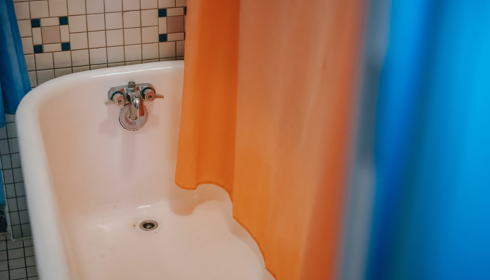
You walk into your bathroom, expecting your peaceful retreat, and instead — boom — there it is. That rusty, murky, orange discoloration creeping across the tub like it owns the place. It wasn’t there last week… or maybe it was and you didn’t want to deal with it. Either way, it’s not cute. It’s not relaxing. And it’s definitely not going away on its own.
So, why is my bathtub turning orange all of a sudden? Is it a sign of something serious, or just an annoying cosmetic issue? And most importantly: can you fix it without having to replace half your bathroom?
Let’s break this down like two friends over coffee — one of whom happens to know a thing or two about plumbing, hard water, and keeping a bathroom from looking like a rust bucket.
First, That Orange Stuff Isn’t Just Dirt
Let’s clear up a common misconception: those orange stains? Not soap scum. Not mold. Not just grime from skipping a cleaning or two. In most cases, it’s rust — iron residue from your water that oxidizes when it hits air. If it builds up long enough, it creates the stubborn mess known across countless households as bathtub rust.
And if you’re seeing bathtub orange stains, it’s likely not your cleaning habits at fault. In fact, you could be scrubbing regularly and still end up with that unmistakable ring or streak. That’s because when the problem starts at the water source, no amount of elbow grease will stop it from coming back.
So… What’s Really Causing It?
The quick answer? Minerals. Specifically iron and sometimes manganese in your water. When these minerals oxidize — i.e., come into contact with air — they leave behind that telltale orange or reddish-brown tint on surfaces that stay damp, like tubs, sinks, and shower walls.
Still wondering what causes rust stains in bathtub drains and along the base? It’s usually one of these culprits:
- Hard Water
If your home pulls from a groundwater source, or if you live in an area with hard water, your tap water probably contains a good amount of minerals. These minerals don’t just leave stains; they also wreak havoc on plumbing, appliances, and anything they touch regularly. - Old or Corroding Pipes
Homes with older plumbing systems — especially galvanized iron pipes — can leach rust into the water. Over time, that iron shows up where water flows and pools the most: your tub. - Water Heater Issues
In some cases, the source of iron is your water heater. If it’s older or starting to corrode on the inside, it might be dumping small traces of rust into your water supply. Hot water tends to show more staining because the heat speeds up the oxidation process. - Iron Bacteria (Yes, That’s a Thing)
If you’re on a well system and notice a slightly slimy or orange buildup, you could be dealing with iron bacteria — naturally occurring microorganisms that feed on iron and leave stains (and sometimes a metallic or musty odor) behind.
How to Deal With the Stains
Now that you know what’s behind the mess, the next step is removing it — ideally, without destroying your tub in the process.
Here’s a safe and effective plan:
1. Baking Soda + Vinegar (The Old Faithful Combo)
Sprinkle baking soda over the stain, then spray white vinegar. Let it fizz for 10–15 minutes before scrubbing with a non-abrasive sponge. This works well for recent or light staining.
2. Lemon Juice + Borax Paste
If the vinegar isn’t strong enough, lemon’s acidity packs a bigger punch. Mix lemon juice with borax (found in the laundry aisle) to form a paste. Apply it to the stain, let it sit for 20–30 minutes, then scrub.
3. Commercial Rust Cleaners
For deep, stubborn stains, look for rust-specific cleaners like Bar Keepers Friend, Iron OUT, or CLR. Just make sure they’re safe for your tub material — especially if you have fiberglass or porcelain.
Avoid using bleach. It won’t help — and it may make things worse by reacting with iron deposits.
But How Do You Keep It From Coming Back?
Because let’s be honest — if you’re scrubbing the same stain every week, that’s not sustainable. The key is getting ahead of it.
- Install a water softener or iron filter.
These systems remove excess minerals before the water reaches your tap. They’re not cheap upfront, but they’re a long-term fix that helps your tub, clothes, appliances, and even skin. - Wipe down your tub after use.
Not glamorous, but incredibly effective. Just a quick towel dry after your shower prevents water from sitting and oxidizing. - Check your water heater.
If you’re seeing rust stains only in hot water, it might be time for a flush or replacement. - Inspect your plumbing.
In older homes, consider having a plumber check for corrosion or pipe buildup. Sometimes replacing one section can drastically reduce your iron levels.
Bottom Line: You’re Not the Problem — Your Water Is
It’s easy to feel frustrated when a bathroom that should feel clean and calm starts looking like a chemistry experiment. But those bathtub orange stains aren’t a reflection of you. They’re the result of water doing what water does when it’s got a little too much iron in it.
The good news? It’s not permanent. You can fix it. And with the right approach — a little know-how and maybe a water softener — you can finally soak in peace, without staring down that dreaded rust ring every time you lean back.
