

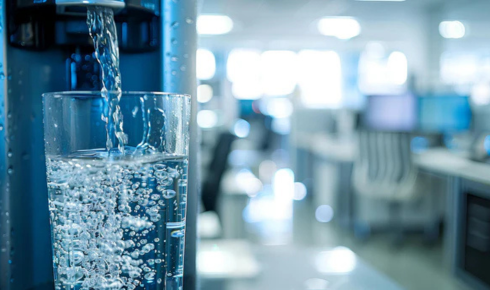
It’s funny how something as essential as water can become almost invisible in our daily lives. You wake up, brush your teeth, pour a glass, maybe make tea—and it all happens without much thought. Water is just there, doing its job quietly. But every once in a while, a question slips in: what’s actually in this water?
Not in a paranoid way. Just curiosity. The kind that makes you pause for a second before taking that sip.
The Quiet Complexity of Something Simple
Water feels simple, but it really isn’t. By the time it reaches your tap, it has already been on a long journey—through natural sources, treatment plants, pipes, storage systems. Along the way, it can pick up minerals, chemicals, or even tiny traces of things you wouldn’t expect.
And that’s where things get interesting. Because most of what might be present in water isn’t visible. You can’t rely on taste or smell alone. Which is why more people are starting to explore water analysis as a way to understand what they’re actually consuming.
It’s not about suspicion. It’s about clarity.
When Water Feels “Fine”… But You’re Not Sure
Here’s the thing—most water looks clean. It’s clear, doesn’t smell strange, and probably tastes okay. But “okay” can be misleading. Sometimes, the smallest impurities are the ones that matter most over time.
Think about it like this: you wouldn’t judge air quality just by looking at the sky. Water works the same way. Just because it appears fine doesn’t mean it’s perfect.
That doesn’t mean your water is unsafe. It just means there’s value in knowing more about it.
The Idea of Safe Water Isn’t Always Obvious
We often assume that the water coming from our taps is good enough—and in many cases, it is. Municipal systems follow guidelines, and there are checks in place. But those systems can vary depending on location, infrastructure, and maintenance.
That’s why the concept of safe water isn’t always as straightforward as it sounds. For some households, especially those relying on private wells or older plumbing, the responsibility shifts more toward the individual.
And honestly, that can feel like a lot. But it doesn’t have to be complicated.
Small Steps Toward Better Awareness
If there’s one practical step that makes a real difference, it’s testing your water. Not guessing, not assuming—just testing. Even a basic test can reveal things like hardness levels, pH balance, or the presence of certain contaminants.
It’s one of those things people tend to delay. Maybe because it doesn’t feel urgent, or maybe because life just gets busy. But once you do it, there’s a certain relief in knowing where you stand.
And from there, decisions become easier.
Finding the Right Way to Improve Your Water
If testing reveals something worth addressing, the next step usually involves exploring solutions. That’s where filtration systems come into the picture.
Now, this is where people often get overwhelmed. There are so many options—pitchers, under-sink units, whole-house setups. It can feel like you need a degree just to choose one.
But the truth is, it’s not about finding the “best” system. It’s about finding the right one for your situation. Maybe you just want to improve taste. Maybe you’re dealing with hard water. Or maybe you need to remove specific contaminants.
Once you understand your needs, the options start to make more sense.
Living With Awareness, Not Overthinking
Learning more about your water can be a bit of a double-edged sword. On one hand, it empowers you. On the other, it can make you overthink something that used to feel simple.
The key is balance.
You don’t need to question every glass of water you drink. But having a basic understanding—and taking a few sensible steps—can make a big difference over time.
It’s a bit like maintaining your car. You don’t worry about it constantly, but you do check in when needed.
The Subtle Value of Paying Attention
There’s something quietly satisfying about taking care of the basics. Water, food, air—these are the foundations of everyday life, yet they’re often the easiest to overlook.
Paying attention to your water doesn’t mean something is wrong. It just means you’re being thoughtful. And in a world where so much feels rushed and reactive, that kind of awareness is refreshing.
A Final Thought to Carry With You
Next time you pour a glass of water, maybe take a second—not to worry, but to appreciate. It’s something you rely on every day, without fail.
And once you’ve taken the time to understand it a little better, there’s a quiet confidence that comes with it. Not perfect certainty, but enough to feel at ease.
Because sometimes, the smallest habits—like knowing what’s in your water—end up making the biggest difference.
