There’s something reassuring about turning on a tap and knowing the water is ready for a glass, a cup of tea, or a pot of soup. Most of us don’t give it much thought until something changes. Maybe the water develops an odd smell after heavy rain, or a family member notices a strange taste that wasn’t there before. For homeowners who rely on a private well, these little changes can raise important questions.
The good news is that managing water quality doesn’t have to be complicated. Understanding where your water comes from, testing it properly, and choosing treatment based on the results can make a real difference. The key is to avoid guessing. Water that looks clear isn’t necessarily free of contaminants, and a system that works well for one home may not be suitable for another.
Private Wells Need Their Own Plan
Unlike municipal water supplies, private wells generally aren’t covered by the same routine public monitoring programs. That means homeowners have a greater responsibility for checking their water and maintaining the equipment that supplies it. Local geology, nearby land use, rainfall, and the condition of the well can all influence what ends up in the water.
A practical well water treatment plan begins with testing rather than buying equipment straight away. Depending on the location and possible risks, testing may include bacteria, nitrates, pH, hardness, iron, manganese, or other substances. A local health department or qualified water professional can help identify which tests are appropriate.
The source of a problem matters. Orange stains around sinks, for example, may be associated with iron, while white deposits often point toward mineral hardness. Neither symptom tells the whole story, though. Bacteria and certain dissolved contaminants can be present without changing the water’s appearance, taste, or smell.
It’s sensible to establish a testing routine and repeat tests when circumstances change. Flooding, repairs to the well, nearby construction, or a sudden change in water quality can all justify additional checks. Keep copies of the results, too. A record makes it easier to spot changes over time and helps professionals recommend suitable next steps.
Why Testing Should Come Before Treatment
Water-treatment products are designed for specific jobs. A sediment filter catches particles, a softener addresses hardness, and activated carbon can reduce certain tastes, odors, and compounds. Choosing the wrong system may leave the original concern unresolved, even if the equipment itself is functioning correctly.
Start by finding out what the test results actually mean. If the report includes unfamiliar terms or measurements, ask the laboratory to explain them. You should know which results need attention, whether they exceed relevant guidelines, and what treatment options are suitable.
For health-related concerns, use testing methods appropriate to the substance in question. A simple in-home demonstration may show hardness or dissolved solids, but it shouldn’t be treated as proof that water is safe from every contaminant. When necessary, use a certified laboratory and follow its sample-collection instructions carefully.
There’s also no need to install a complicated system simply because it has more features. A home with a specific hardness problem may benefit from a softener, while another property might need targeted filtration or disinfection. Good decisions come from matching the treatment to the evidence, not from buying the most elaborate equipment available.
Understanding Ultraviolet Water Disinfection
Microbiological concerns require particular care because ordinary filtration doesn’t necessarily make water safe from bacteria, viruses, or other microorganisms. Depending on the water source and test results, disinfection may be part of the solution.
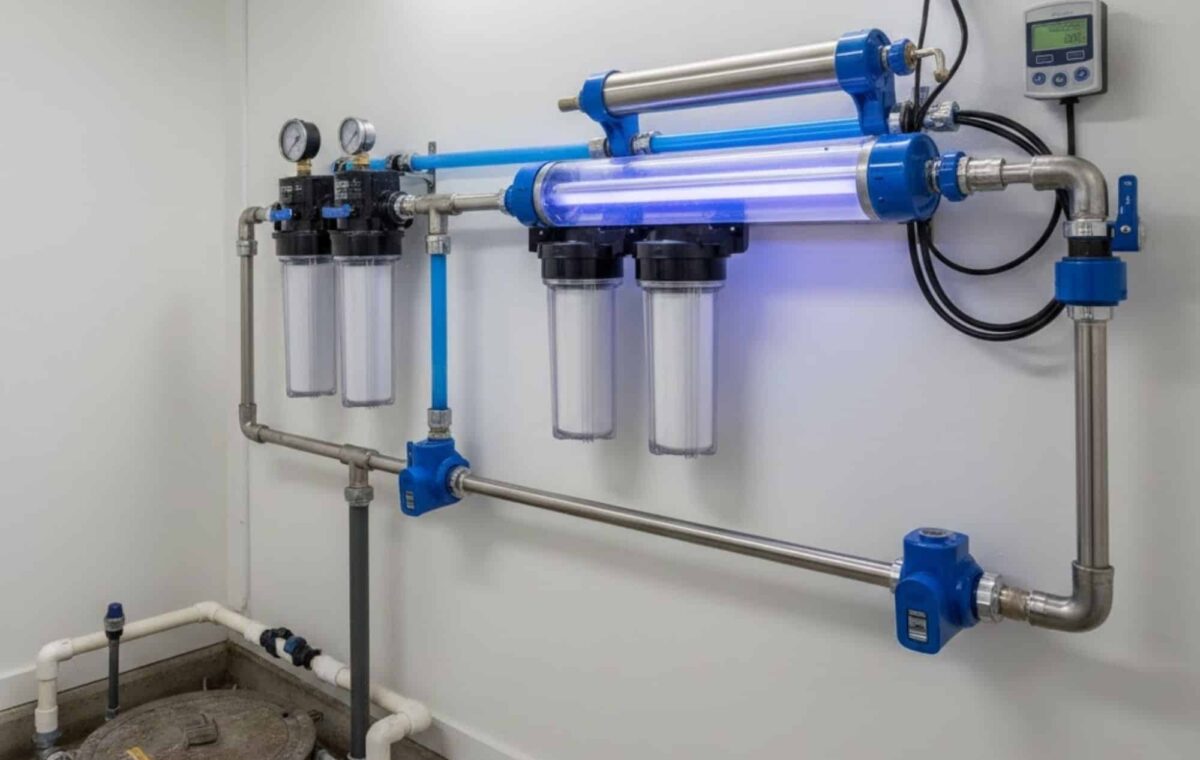
UV water treatment systems use ultraviolet light to inactivate certain microorganisms as water passes through a treatment chamber. When correctly selected, installed, and maintained, a UV unit can provide an additional layer of protection against microbial contamination. It does not, however, remove sediment, hardness minerals, metals, or most dissolved chemicals.
That distinction is important. UV treatment is a disinfection method, not an all-purpose purifier. The effectiveness of a unit depends on factors such as water clarity, flow rate, lamp condition, and the system’s design. Suspended particles can interfere with the process, which is why prefiltration may be needed in some installations.
A UV system also requires routine maintenance. The lamp must be replaced according to the manufacturer’s schedule, and the protective sleeve and other components may need periodic cleaning or inspection. If the lamp fails or the system is poorly maintained, performance may be reduced without an obvious change in the water’s appearance.
Before installing UV equipment, confirm that it is appropriate for the specific concern and that the rest of the treatment setup supports its operation. If testing identifies a microbial problem, follow advice from the relevant health authority or qualified professional about safe water use while the issue is being addressed.
Protecting Drinking Water Every Day
Good drinking water quality depends on more than the treatment device beneath the sink or beside the well. The source, plumbing, storage equipment, and maintenance routine all play a role. Even a system that initially performs well can become less effective if filters are overdue for replacement or other components aren’t serviced.
Pay attention to changes in taste, smell, colour, or pressure, but don’t rely on those signs alone to determine safety. If something seems unusual, investigate the cause rather than masking it with a taste-improving filter. When contamination is suspected, testing and professional guidance are more useful than assumptions.
It’s also worth checking the physical condition of the well area. Keep the well cap secure, maintain proper drainage around the wellhead, and make sure nearby activities aren’t creating avoidable risks. Follow local recommendations for testing frequency and well maintenance, since the right schedule can depend on the source and surrounding conditions.
Inside the home, keep track of filter changes, service visits, and water-test dates. These records may seem like minor paperwork, but they can help identify recurring problems and prevent maintenance from slipping through the cracks.
Choosing a System That Fits Your Home
Before purchasing equipment, consider the household’s actual water use, available installation space, and long-term maintenance budget. A system needs enough capacity to serve the home without causing inconvenient pressure or flow problems. It should also be accessible for routine servicing.
Ask providers to explain what each component is designed to reduce, what evidence supports its performance claims, and what ongoing care it requires. Request a written estimate that separates equipment, installation, replacement parts, and any recommended testing. This makes comparisons more meaningful than looking at the initial price alone.
Be cautious of anyone who claims a single product can solve every water issue or uses a basic test to create unnecessary urgency. A reputable professional should explain the findings clearly, acknowledge the system’s limitations, and give you time to consider the options.
A Little Attention Goes a Long Way
Water is easy to take for granted because it’s part of so many ordinary moments. Yet a few practical habits—regular testing, appropriate treatment, and timely maintenance—can help homeowners manage their water supply with greater confidence.
Start with reliable information about the water you have. Then choose equipment that addresses the identified concern and keep it working according to the manufacturer’s instructions. The best solution isn’t always the biggest or most expensive one. It’s the one that suits your home, meets a real need, and can be maintained properly over time.