Water is one of those household essentials that works quietly in the background. We drink it, cook with it, shower in it, wash clothes with it, and use it in appliances every single day. Most of the time, nobody thinks twice about it. Then the faucet starts leaving white marks, the coffee tastes different, or the showerhead develops a stubborn layer of scale. Suddenly, water quality is hard to ignore.
The good news is that homeowners have plenty of ways to improve their water. The challenge is choosing a system that actually fits the home instead of buying something simply because it sounds impressive.
Start by Understanding Your Water
Before choosing filtration equipment, it helps to understand what’s happening with your current water. Is the main issue hard water? Are you concerned about taste or odor? Do you notice sediment? Are you looking for additional treatment for drinking water?
A water test can provide useful information and make the decision much less of a guessing game. After all, you wouldn’t replace an appliance without knowing what was wrong with it first. Water treatment deserves the same practical approach.
The source also matters. Municipal water and private well water can have very different characteristics, and local conditions can influence hardness, minerals, and other water-quality concerns.
When Whole-Home Filtration Makes Sense
Some homeowners only want filtered water at the kitchen sink. Others want to address water quality throughout the property.
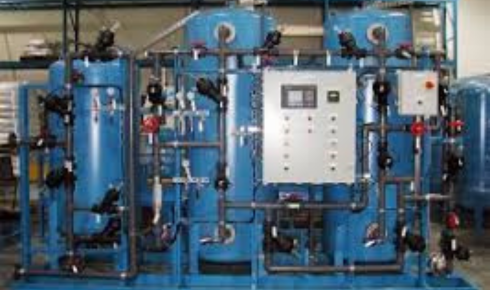
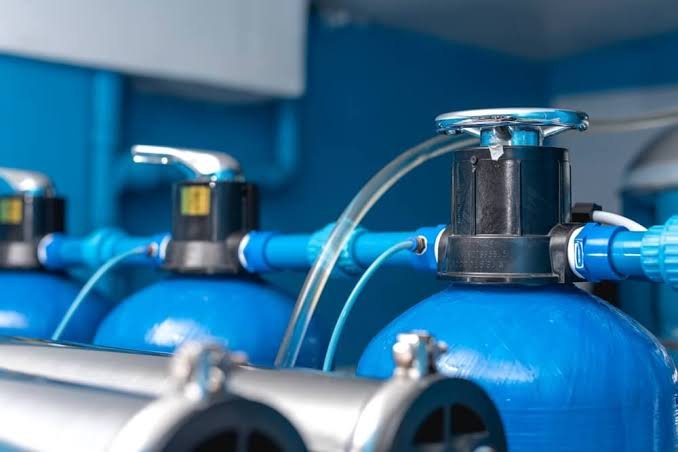
That’s where filters & whole-home filtration systems can become useful. A whole-home system treats water as it enters the house, allowing treated water to travel through multiple fixtures and appliances.
This can be helpful when homeowners are dealing with concerns that affect more than drinking water. Showers, bathroom faucets, washing machines, and water heaters all rely on the same household supply, after all.
Still, a whole-home system isn’t automatically necessary. If your concern is limited to drinking and cooking, a smaller point-of-use system may be a more sensible choice.
Understanding Reverse Osmosis
When homeowners want more extensive filtration for drinking water, reverse osmosis often enters the conversation.
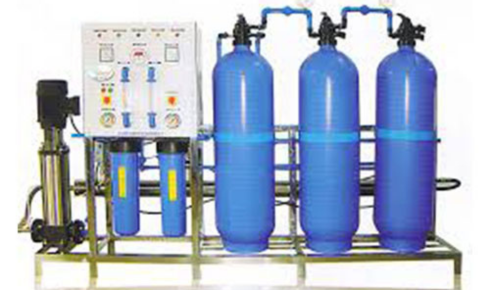
Reverse osmosis drinking water systems use a semipermeable membrane to separate water from many dissolved substances. They are commonly installed at a dedicated drinking-water point, such as the kitchen sink.
One thing worth remembering is that reverse osmosis isn’t a magic solution for every possible water issue. The system should be selected according to the water being treated and the manufacturer’s specifications. It can also produce some wastewater during the filtration process, so homeowners should understand how the particular system operates before making a purchase.
For families who want highly filtered water for drinking and cooking, however, reverse osmosis can be a useful option when properly matched to their needs.
Hard Water Is a Different Problem
Filtration and water softening are often discussed together, but they aren’t exactly the same thing.
Hard water contains minerals, particularly calcium and magnesium, that can leave scale on faucets, showerheads, water heaters, and appliances. You may notice a white film around sinks or find yourself cleaning mineral deposits more often than you’d like.
In these situations, water softeners may be appropriate. They are designed specifically to address water hardness rather than simply filtering out particles or improving taste.
For a household dealing with serious scale buildup, treating hardness can make a noticeable difference in cleaning and appliance maintenance.
Don’t Buy More Technology Than You Need
It can be tempting to assume that a bigger or more advanced system must be better. But that’s not always true.
A household with mildly hard water may not need a complicated multi-stage setup. Someone primarily concerned about drinking-water taste may be perfectly happy with a targeted filtration system. Another home with several water-quality issues could need a combination of technologies.
The right system is the one that solves the actual problem.
Look at the equipment’s specifications, replacement requirements, expected lifespan, and ongoing maintenance costs. A low initial price doesn’t necessarily mean a system is inexpensive over ten years.
Maintenance Is Part of the Deal
Whatever system you choose, remember that filtration equipment needs maintenance. Filters don’t last forever, membranes eventually need replacement, and softening equipment may require servicing.
It’s easy to forget because the system is usually hidden away and quietly doing its job. But ignoring maintenance can affect performance and may reduce the quality of the water you’re trying to improve.
Set reminders for filter changes and inspections. Keep replacement information somewhere easy to find. If water taste, pressure, color, or odor suddenly changes, don’t simply assume the equipment is fine.
Think About Your Household Routine
The best water treatment system should fit naturally into your life. Consider how much water your family uses, how often you cook, whether you rely heavily on appliances, and whether drinking water is a major priority.
A family that fills reusable bottles throughout the day may value a dedicated drinking-water system. A large household struggling with scale throughout the property may benefit more from whole-home treatment and softening.
There’s no need to copy a neighbor’s setup just because it works for them. Their water, plumbing, budget, and household habits may be completely different.
A Smarter Way to Improve Water Quality
Choosing water treatment doesn’t have to be overwhelming. Start with the water itself. Test it when appropriate, identify the problems you want to solve, and then compare technologies based on those findings.
Think beyond the purchase price, too. Installation, maintenance, replacement filters, water usage, and equipment lifespan all matter.
Ultimately, good water treatment is less about owning the latest equipment and more about making a thoughtful decision. When a system is properly matched to your home’s needs, it can quietly improve everyday routines — from the first glass of water in the morning to the final load of laundry at night.
That kind of improvement may not seem dramatic, but it’s the sort of thing you notice more and more once you have it.