There’s a certain kind of discomfort that creeps in when your water system isn’t behaving the way it should. It’s not dramatic—no alarms, no sudden breakdown—but something feels off. Maybe the pressure dips unexpectedly, or the taste isn’t what it used to be.
At first, you ignore it. Life goes on. But those small changes have a way of sticking with you. And eventually, they push you to take a closer look.
The Quiet Signs That Something’s Changed
Water systems rarely fail all at once. They give hints.
A tap that takes longer to start.
A pump that runs more often than usual.
A subtle change in how water tastes or feels.
These aren’t urgent issues, but they’re signals. They tell you that something in the system isn’t working quite the way it should.
And the sooner you notice them, the easier they are to address.
When It’s Time to Take Action
At some point, waiting stops making sense. You realize the issue isn’t going away, and that’s when you start looking for solutions.
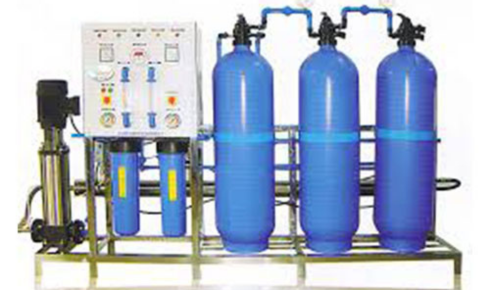
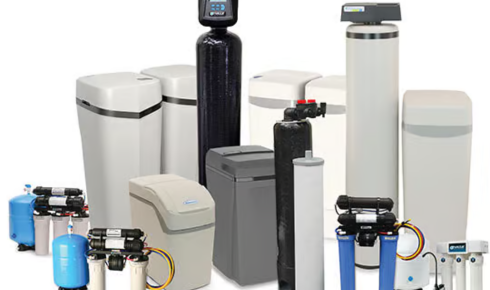
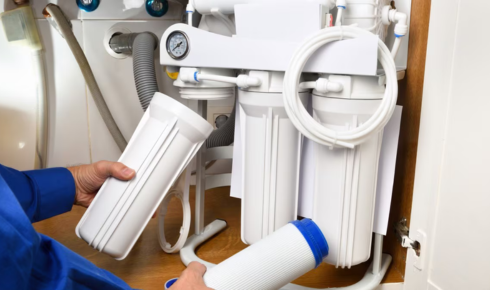
This is where water treatment repair services come into play. These services focus on diagnosing and fixing the underlying issues—whether it’s a worn-out filter, a malfunctioning valve, or a system that’s simply overdue for maintenance.
What surprises most people is how manageable these fixes often are. When caught early, many problems don’t require major work—just the right attention at the right time.
Not Every Problem Is Obvious
Some issues are easy to spot. Others aren’t.
You might not see a leak or hear a strange noise, but your system could still be underperforming. Reduced efficiency, inconsistent pressure, or gradual wear can go unnoticed for a long time.
That’s where system repair services become valuable. They look beyond the obvious, checking how different parts of your setup interact and ensuring everything is working together properly.
It’s a deeper approach—one that focuses on long-term reliability, not just quick fixes.
The Difference Between Fixing and Maintaining
There’s a common belief that repairs only happen when something breaks. But in reality, maintenance plays just as important a role.
Routine checks, small adjustments, and timely replacements can prevent many issues before they start. It’s not about constant attention—it’s about staying a step ahead.
That’s why regular repair and service routines are so effective. They keep your system running smoothly, reducing the chances of unexpected problems and extending the life of your equipment.
And over time, that consistency makes everything easier.
When Repairs Lead to Better Performance
Sometimes, fixing a problem reveals something bigger—not necessarily a failure, but an opportunity.
Maybe your system is older and could benefit from an upgrade.
Or certain components aren’t as efficient as they once were.
These moments are worth paying attention to. They’re not just about solving a problem—they’re about improving how your system performs overall.
And often, small upgrades can make a noticeable difference.
The Comfort of a System That Just Works
There’s something deeply reassuring about water that behaves exactly as it should. You turn the tap, and everything feels normal. No hesitation, no second-guessing.
That consistency is what you’re aiming for.
It’s not about perfection. It’s about reliability. Knowing that your system is doing its job without needing constant attention.
And once you have that, you stop thinking about it—which is exactly how it should be.
Simple Habits That Keep Things Running
You don’t need to be an expert to take care of your water system. A few small habits can go a long way.
Pay attention to changes in pressure or flow.
Listen for unusual sounds.
Address minor issues before they become major ones.
These steps don’t take much time, but they help you stay ahead of potential problems.
And staying ahead is always easier than catching up.
A Shift in Perspective
After dealing with a repair or two, something changes. You become more aware of your system—not in a stressful way, but in a practical one.
You notice patterns.
You understand how things should feel.
You recognize when something’s off.
It’s a subtle shift, but it makes a difference. You’re no longer reacting—you’re staying in control.
Final Thoughts
Water systems are easy to overlook when everything is working well. They’re designed to stay in the background, quietly supporting your daily life.
But when they need attention, responding early makes all the difference.
Repairs don’t have to be overwhelming. They’re part of maintaining something essential—something you rely on more than you realize.
Because in the end, the goal isn’t to think about your water system more.
It’s to get back to the point where you don’t have to think about it at all.