If you’ve lived in Florida for a while, you’ve probably noticed that water can leave its mark. A freshly cleaned faucet develops a cloudy ring. The shower door seems to collect spots almost overnight. Dishes come out of the dishwasher looking less than sparkling, and soap sometimes feels like it simply refuses to rinse away.
These aren’t necessarily signs that something is seriously wrong with your water. Often, they’re everyday effects of hard water. The good news is that once you understand what’s happening, there are practical ways to reduce the hassle and protect your home.
Why Hard Water Is Common in Florida
Florida’s geology plays a big role in its water characteristics. Much of the state sits on layers of limestone and other mineral-rich formations. As groundwater moves through these materials, it can pick up minerals such as calcium and magnesium.
Those minerals are responsible for much of the hardness found in household water.
For homeowners, hard water problems Florida homeowners face can range from minor cleaning frustrations to scale buildup that becomes more noticeable over time. The exact experience varies by location and property, so it’s useful to think about your home’s water individually rather than assuming every house has exactly the same issue.
The Everyday Signs Are Usually Hard to Miss
Hard water doesn’t always announce itself dramatically. In fact, the signs tend to creep in slowly.
White residue around faucets is a common clue. Showerheads may develop mineral deposits that affect water flow. Glassware can come out of the dishwasher with spots, even after using plenty of detergent.
You may also notice that your laundry feels a little stiff or that soap doesn’t produce the rich lather you expect. None of these things alone proves that your water is hard, but several signs appearing together are certainly worth investigating.
And let’s be honest, constantly wiping mineral marks off fixtures gets old.
What Hard Water Does Inside Your Home
The visible residue is only part of the story. Minerals can also accumulate inside plumbing and water-using appliances.
Water heaters are particularly worth paying attention to because mineral scale can collect around heating elements and other internal surfaces. Over time, this buildup may affect efficiency and increase maintenance needs.
Dishwashers, washing machines, coffee makers, and other appliances that regularly use water can also be exposed to mineral deposits.
This doesn’t mean hard water will automatically damage an appliance. Plenty of homes operate for years with hard water. Still, reducing excessive scale can be a sensible part of protecting equipment that wasn’t exactly cheap to purchase.
Hard Water and Your Cleaning Routine
One of the most frustrating things about hard water is how it changes ordinary household chores.
Soap reacts with hardness minerals, which can make it harder to rinse away cleanly. You might use more detergent, cleaner, or shampoo and still feel as though you’re not getting the results you should.
When dealing with hard water in Florida, homeowners often start by changing cleaning products. Sometimes that helps a little, but it doesn’t address the underlying water condition.
If the minerals are the source of the problem, treating the water itself may be a more direct approach.
Water Softeners Can Help With Hardness
Water softeners are specifically designed to reduce hardness minerals such as calcium and magnesium. Traditional systems use an ion-exchange process to replace these minerals with sodium or potassium ions.
The result is softer water entering the home’s plumbing system.
Soffter water can mean less scale on fixtures, improved soap performance, and fewer mineral deposits on surfaces. It can also make cleaning feel easier, which sounds like a small thing until you’ve spent an afternoon scrubbing a shower door.
The right system, however, depends on your household’s water usage and the actual hardness level.
Testing Your Water Comes First
Before investing in treatment equipment, testing the water is a smart move.
A water test can help determine hardness levels and identify other characteristics that might influence your treatment choices. This is important because a water softener isn’t designed to solve every possible water-quality concern.
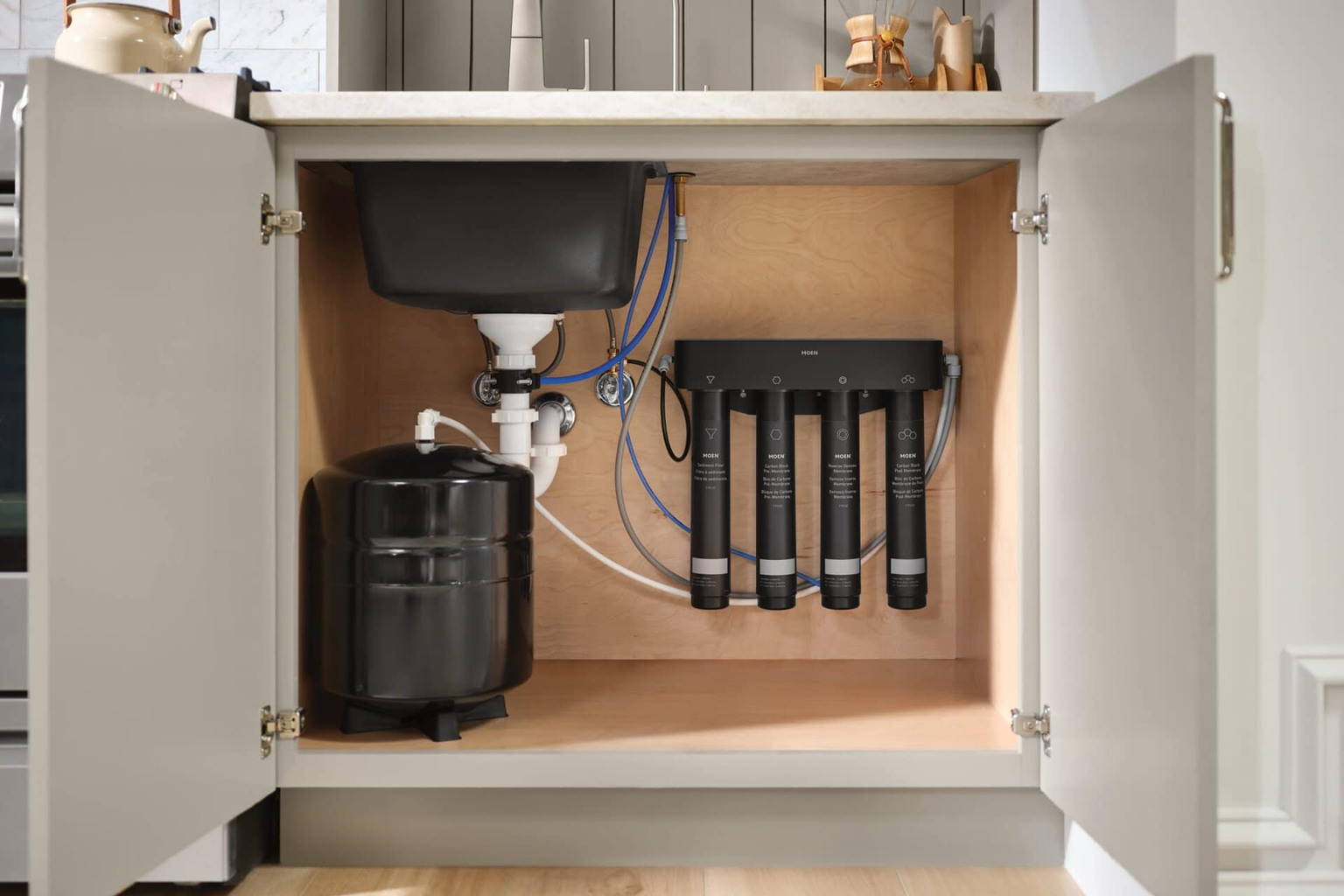
For example, if your primary issue is sediment, taste, or odor, filtration may be more appropriate. If hardness is the main culprit, softening could make more sense.
In other words, don’t buy equipment first and figure out the problem afterward. Start with information.
Not Every Florida Home Has the Same Water
It’s easy to talk about “Florida water” as if the entire state has identical conditions. Reality is a little messier.
Water characteristics can vary depending on the local source, geology, plumbing, and other factors. Even neighboring homes may experience water differently.
That’s why Florida hard water challenges should be approached on a household-by-household basis. A treatment recommendation should consider your water test results, family size, water consumption, available installation space, and maintenance preferences.
The goal isn’t to install the biggest system possible. It’s to find something that fits.
Choosing a Water Softener Carefully
If testing confirms that hardness is a concern, take some time to compare systems.
Consider capacity, regeneration frequency, salt or potassium requirements, water usage, warranty coverage, installation costs, and ongoing maintenance. Ask how the system determines when regeneration is needed, too.
A professional should be able to explain these details without making you feel like you’re sitting through a technical lecture.
Price matters, of course, but it shouldn’t be the only deciding factor. A system that costs less initially may require more maintenance or operate less efficiently over time.
Maintenance Keeps the System Working
Even a good water softener needs some attention.
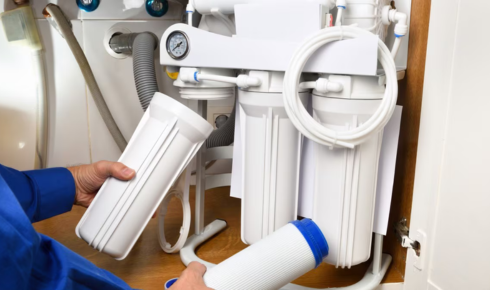
Depending on the equipment, homeowners may need to check salt levels, clean components, monitor settings, and arrange periodic service. Filters and other parts may also need replacement.
The best approach is simple: don’t wait for the water to become noticeably problematic before checking the system.
If mineral spots begin returning, water quality changes, or the equipment starts behaving differently, investigate early. Small maintenance issues are usually easier to handle than major failures.
A More Comfortable Home Is the Real Goal
Hard water isn’t usually something homeowners can eliminate by scrubbing harder or buying another bottle of cleaning spray. If minerals are causing persistent problems, addressing the water itself can make more sense.
For Florida homeowners, the first step is understanding the specific condition of their water. Test it, learn what the results mean, and then consider treatment options that actually match the problem.
Softer water won’t solve every household issue, and it isn’t a magic fix for every water-quality concern. But when hardness is behind those stubborn spots, scale deposits, and cleaning frustrations, the right treatment can make everyday life noticeably easier.
Sometimes the best home improvements aren’t the flashy ones. They’re the quiet changes you appreciate every time you turn on the faucet.