

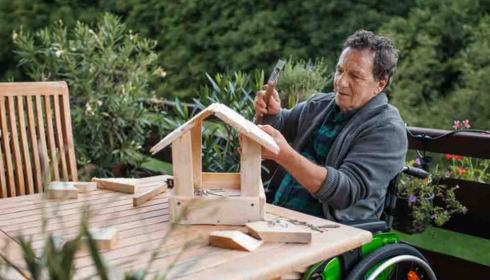
Life doesn’t always follow a straight path. For many individuals living with disabilities—and their families—the journey includes navigating care systems, understanding entitlements, and most importantly, finding a place that truly feels like home. In Victoria, Australia, the landscape of care and accommodation has evolved significantly, offering more personalized and empowering options than ever before.
Understanding Support That Goes Beyond Basics
When people think about disability services, they often imagine basic assistance—help with daily tasks, medical support, or supervision. But modern care is much broader. It’s about independence, dignity, and creating opportunities for individuals to live life on their own terms.
This is where Disability support Victoria comes into the picture. It’s not just a service; it’s a framework built around the idea that every individual deserves tailored care. From helping someone learn new life skills to supporting them in community participation, these services aim to build confidence and autonomy over time.
And honestly, that shift—from “care” to “empowerment”—is what makes today’s support systems stand out.
Why Housing Matters More Than You Think
A home is more than just four walls. It’s a place where routines are built, relationships grow, and independence begins. For individuals with disabilities, finding suitable accommodation can be a turning point.
Specialized housing options in Victoria are designed to cater to different needs, whether someone requires round-the-clock care or just a bit of structured support. The goal is simple: create environments where people feel safe, respected, and in control of their daily lives.
The Role of Supported Independent Living (SIL)
Supported Independent Living—commonly known as SIL—is one of the most impactful housing solutions available today. It bridges the gap between full-time care and independent living, offering the right balance of support and freedom.
With SIL Housing Victoria, individuals can live in shared or individual accommodations while receiving assistance tailored to their needs. This might include help with cooking, personal care, or managing daily routines. But more importantly, it allows residents to make their own choices—what to eat, when to sleep, how to spend their day.
That sense of control, even in small decisions, can be life-changing.
Choosing the Right Provider
Not all support services are created equal. Some providers focus heavily on structure and routine, while others prioritize flexibility and personal growth. The key is finding a provider that aligns with the individual’s personality, goals, and comfort level.
A good provider doesn’t just “deliver services”—they listen. They adapt. They understand that no two people are the same, and therefore, no two care plans should be identical.
It’s also worth considering the environment itself. Is the housing clean, safe, and welcoming? Are staff members approachable and well-trained? Do residents seem happy and engaged? These little observations often reveal more than any brochure or website ever could.
Building a Life, Not Just Managing One
At its core, disability support isn’t about managing limitations—it’s about expanding possibilities. Whether it’s learning to cook a meal independently, taking part in social activities, or even pursuing employment, the right support system can open doors that once felt out of reach.
And perhaps that’s the most important takeaway. The goal isn’t perfection or complete independence overnight. It’s progress. It’s growth. It’s building a life that feels meaningful and fulfilling, step by step.
Final Thoughts
Victoria has made significant strides in creating inclusive, supportive environments for people with disabilities. With the right combination of services and housing options, individuals are no longer confined by their circumstances—they’re empowered by the support around them.
If you’re exploring options, take your time. Ask questions. Visit different providers. Because the right choice isn’t just about services—it’s about finding a place where life can truly be lived, not just supported.
