

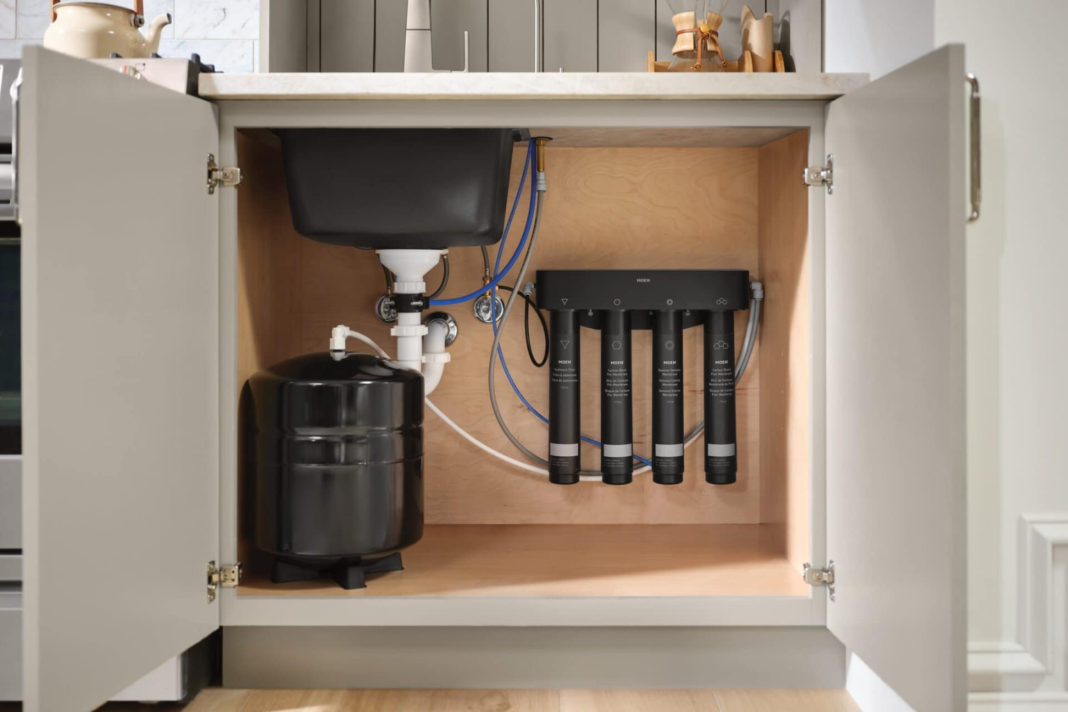
Plumbing rarely gets the spotlight in a home. You’ll admire new countertops, talk about paint colors, maybe even brag about your backyard landscaping. But pipes? Drains? Water heaters? They sit quietly behind walls, doing their jobs without applause.
Until they don’t.
And when something goes wrong with your plumbing, it’s never subtle. It’s the slow-draining sink that tests your patience every morning. The unexpected cold shower that ruins your mood before work. The damp patch on the wall that makes your stomach drop.
The truth is, most plumbing problems don’t arrive without warning. They send signals first. You just have to recognize them.
The Sink That Drains a Little Too Slowly
We’ve all done it — watched water swirl lazily in the bathroom sink and thought, “It’s not that bad.” Maybe you try a store-bought cleaner. Maybe you ignore it.
But slow drainage is usually the beginning of a bigger story.
Hair, soap residue, grease, and debris build up gradually inside pipes. It doesn’t clog overnight. It layers, thickens, and restricts flow until one day the water simply refuses to go down.
Professional drain cleaning isn’t just about fixing an existing clog. It’s about removing buildup thoroughly before it hardens into a blockage that causes backups or overflows. Modern tools like hydro-jetting can clear pipes far more effectively than chemical solutions.
And here’s the thing — those chemical cleaners you pour down the drain? They often do more harm than good over time, weakening pipes and damaging joints.
If your drains are speaking to you, it’s wise to listen early.
The Cold Shower Nobody Asked For
Few household moments are as universally unpleasant as stepping into a shower expecting warmth and getting ice-cold water instead.
Water heaters don’t typically fail without signs. You might hear popping noises from the tank — often caused by sediment buildup. You might notice inconsistent temperatures or rusty-tinted water.
These are early warnings.
Eventually, though, age catches up with every appliance. If your system is over a decade old and showing signs of wear, water heater replacement may be more practical than constant repairs.
Newer models are often more energy-efficient, heat water faster, and take up less space. While replacement isn’t cheap, continuing to patch an aging system can cost more in the long run — especially if a leak develops and damages surrounding areas.
Hot water is something you don’t think about until it’s gone. Restoring that reliability changes your entire routine back to normal.
The Quiet Threat of Hidden Leaks
Not all plumbing problems make noise. Some hide quietly behind walls or under floors.
A faint musty smell. A slight increase in your water bill. A patch of paint that starts bubbling unexpectedly. These subtle hints can point to leaks that demand immediate attention.
Professional pipe repair addresses not just visible damage but the underlying cause. Whether it’s corrosion, shifting soil, freezing temperatures, or simple wear and tear, pipes degrade over time.
Left unchecked, even a small leak can lead to mold growth, structural damage, and significant repair costs. Acting early keeps the problem contained.
Why Proactive Care Pays Off
It’s tempting to treat plumbing as reactive. Something breaks, you fix it. But preventative attention can save money and stress.
Annual inspections help identify aging components. Drain maintenance keeps buildup manageable. Flushing water heaters removes sediment that strains heating elements. Checking visible pipes for corrosion or loose fittings can prevent future leaks.
Think of it like routine car maintenance. You wouldn’t wait for your engine to seize before checking the oil.
The goal isn’t perfection. It’s prevention.
The Emotional Side of Plumbing Problems
There’s something uniquely disruptive about plumbing failures. Water touches nearly every part of daily life. Cooking, cleaning, bathing, laundry — all depend on it.
When systems fail, routines unravel.
That’s why reliable plumbing isn’t just about infrastructure. It’s about comfort. Stability. Peace of mind.
A smoothly functioning home allows you to focus on everything else — work, family, hobbies — without background stress about leaks or clogs.
Choosing the Right Professional
Not all plumbing issues are DIY-friendly. While tightening a loose faucet handle is manageable, deeper system problems require expertise.
Look for licensed professionals who offer clear explanations and transparent pricing. Ask questions. A reputable plumber should walk you through the issue and explain why a certain repair or replacement is recommended.
Trust is essential when someone is working inside your walls or beneath your floors.
Small Signs Matter
The biggest takeaway? Don’t ignore the little things.
A drain that slows. A heater that hums oddly. A pipe that sweats more than usual. These are invitations to investigate, not inconveniences to brush aside.
Addressing problems early keeps them small. And small problems are always easier to solve.
A Final Thought
Plumbing isn’t glamorous, but it’s foundational. When it works well, your home feels effortless. When it doesn’t, everything feels harder.
By paying attention to early warning signs, investing in professional care when needed, and embracing preventative maintenance, you protect both your property and your peace of mind.
Because at the end of the day, water should flow smoothly — not create stress.
And sometimes, the smartest home improvement isn’t visible at all.
