

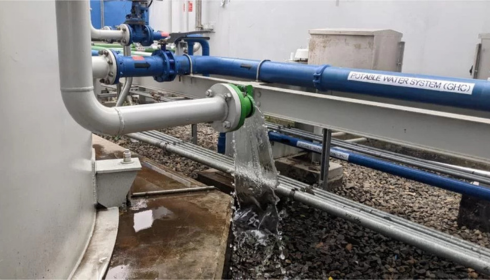
Let’s face it—water isn’t exactly the most thrilling dinner table topic. It’s not flashy like electric cars or scandalous like tech layoffs. But think about this: every time you turn on the tap, make coffee, flush the toilet, or take a hot shower after a long day, you’re depending on something enormous and intricate that you never see.
That invisible system—pipes, pumps, tanks, treatment facilities—is the quiet, unsung hero of modern life. And while it rarely makes headlines, there’s an intricate dance happening behind the scenes that keeps our cities alive and our homes healthy. We just rarely think about it… until something goes wrong.
Why Clean Water is Still a Modern Marvel
You’d think in 2025, clean water would be a given, right? We’ve got Wi-Fi on airplanes, face-scanning phones, and AI writing poetry. Yet, safe drinking water still isn’t universal. In many parts of the world, it’s a daily gamble. Even in developed countries, aging infrastructure, overuse, and poor planning are putting strain on systems we take for granted.
Here’s the kicker: the cleaner our water, the more invisible its journey becomes. That’s because when things are running smoothly, there’s nothing to notice. No strange taste. No odd color. No pressure problems. But achieving that seamless experience requires meticulous management, constant upgrades, and—yep—a whole lot of science.
Not Just H2O: What’s Really in Your Water
Here’s where it gets kind of gross—but in a good way.
Tap water doesn’t just start clean. It’s made clean. From natural sources like rivers, lakes, and underground wells, water can carry all sorts of companions: sediment, bacteria, chemicals, even microscopic bits of rust from old pipes. Without intervention, you’d never let it near your toothbrush.
This is where treatment steps in—disinfection, filtration, sediment removal, chemical balancing, and more. But lately, it’s not just about removing the “bad stuff.” Municipal systems are also under pressure to preserve essential minerals and balance pH levels in ways that support long-term infrastructure and public health.
That’s no small task, especially in dense urban zones with aging systems and millions of users.
From Grit to Glory: The Role of Precise Regeneration
One of the lesser-known stars of water purification is precise regeneration—a highly controlled process used in filtration systems, especially those that rely on ion-exchange resins. These systems don’t just trap unwanted particles; they actually swap them out for safer ones.
But over time, those resins get saturated, and that’s where regeneration comes in. Instead of tossing the whole system, the resins are flushed and “recharged” using salt or specific chemicals in a process that’s tuned to the exact needs of the system. Think of it like cleaning your coffee filter, but with molecular-level finesse.
This method not only extends the life of filtration systems but also ensures that every cycle is as efficient and eco-conscious as possible. It’s one of those background operations that’s easy to overlook—but its absence would be noticeable fast.
Municipal Water Systems: The Real MVPs
A lot of people don’t realize just how vast and intricate municipal water networks are. It’s not just about treatment plants. It’s about thousands of miles of underground pipe, multiple pressure zones, water towers, chlorination stations, emergency reservoirs, and real-time quality monitoring.
And let’s be honest—most of us couldn’t diagram how water even gets to our faucet.
Clean municipal water systems are what keep everything from schools to hospitals running. They also play a major role in economic development. No investor wants to fund a business park if the water supply is iffy. No family wants to move into a neighborhood where water boils come with the lease agreement.
Yet many of these systems were built decades ago, with population estimates that now seem laughably low. That’s where the urgency lies: updating infrastructure before disaster strikes.
The Silent Threat: Aging Infrastructure
There’s a looming problem, though, and it’s buried underground—literally.
In many cities, water pipes are old. Not “old” as in retro or nostalgic—old as in pre-WWII. Materials degrade, corrosion sets in, and unexpected weather events push systems past their limit. And when they fail, the results are messy: water main breaks, boil orders, supply disruptions, and sometimes catastrophic flooding.
The fix? Trillions in investments and strategic modernization efforts. Some cities are piloting smart monitoring systems that detect leaks before they become problems. Others are incorporating AI and data analytics to predict failures before they happen.
It’s not glamorous work, but it’s some of the most important maintenance happening in any modern city.
A Global Shift Toward Sustainability
We’re also seeing a shift in how water systems are designed—with sustainability at the forefront. Rainwater harvesting, greywater reuse, desalination, and decentralized treatment plants are moving from fringe ideas to mainstream policy.
And with climate change stressing natural water sources, cities are rethinking their relationship with water entirely. It’s no longer just about supply and demand—it’s about conservation, resilience, and long-term planning.
The systems being built today are smarter, cleaner, and more adaptable than anything we’ve had before. The question is whether we’re moving fast enough.
The Takeaway: Don’t Wait for a Crisis
So what can the average person do?
You don’t need to be a hydrologist to appreciate water. But a little awareness goes a long way. Support local infrastructure upgrades. Stay informed about your city’s water quality reports. Replace old plumbing when possible. Fix leaks before they snowball. Ask questions. Care.
Because the truth is, our water systems don’t need applause—but they do need attention.
They’re not flashy. They’re not on Instagram. But they matter. Immensely.
And maybe next time you take a sip from your tap, you’ll pause—just for a second—to appreciate the journey that water took to get there.
