

Water is one of those things we rarely pause to appreciate — until it stops flowing. Maybe it’s a dry tap in the morning, a struggling irrigation system during peak summer, or a storage tank that refuses to fill on time. Whatever the situation, the moment water delivery becomes unreliable, daily life feels oddly fragile.
Behind the scenes of every steady water supply lies an unsung hero: the pump. It’s not flashy, not often discussed at dinner tables, and certainly not something most homeowners think about… until it fails.
Yet, when you really look at how modern homes, farms, and communities function, it becomes clear that water pumping systems quietly support nearly everything we depend on.
The Silent Backbone of Daily Life
Think about your morning routine. Water for brushing your teeth. Water for making coffee. A shower before work. Washing dishes after breakfast. None of these moments feel remarkable, but they all depend on a consistent flow of water pressure.
In many regions — especially rural areas — groundwater serves as the primary source of supply. Accessing that water requires pumps capable of lifting it from deep underground, sometimes from depths of hundreds of feet.
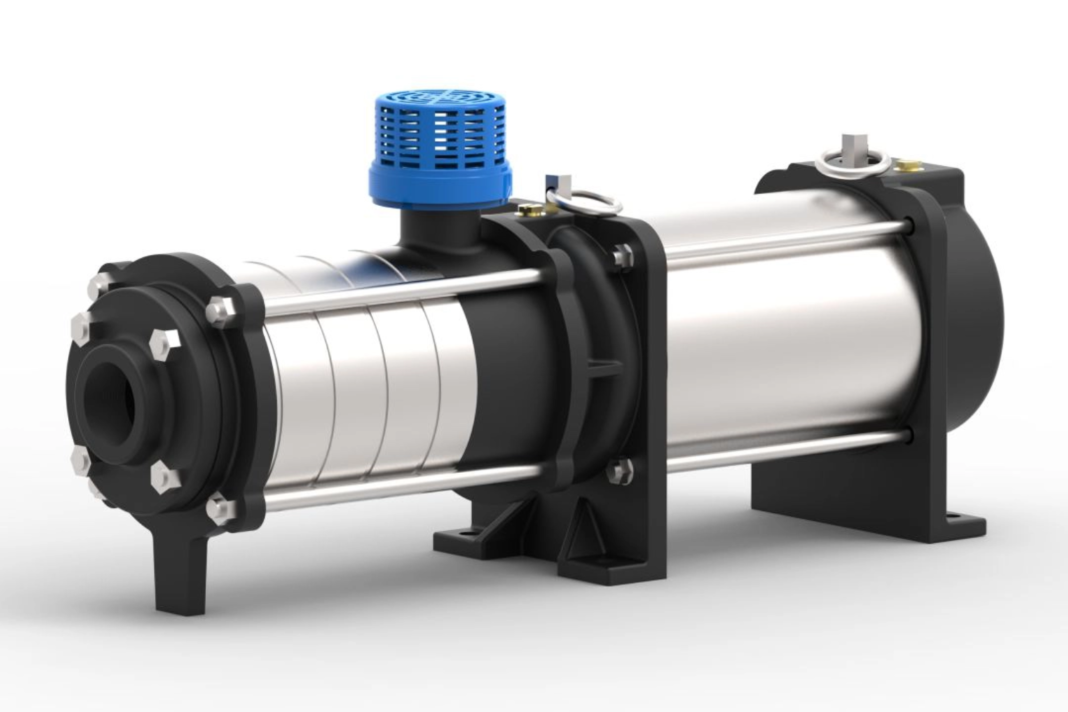
That’s where specialized designs come into play. A multi-stage submersible pump, for example, is engineered to operate efficiently at deeper levels by using multiple impellers to gradually increase pressure as water moves upward. It’s a simple idea, really — instead of forcing water up in one big push, the pump lifts it step by step.
This method not only improves performance but also reduces strain on the equipment, extending its lifespan.
What Makes Submersible Pumps So Effective?
One of the reasons submersible pumps are widely preferred is their placement. Unlike surface pumps that pull water upward, submersible pumps sit directly inside the water source, pushing it toward the surface instead.
This positioning offers several advantages.
For starters, it eliminates the need for priming. Since the pump is already submerged, there’s no risk of air entering the system. That alone reduces maintenance headaches.
Additionally, being underwater keeps the pump cooler during operation. Heat dissipation occurs naturally, helping prevent overheating and ensuring smoother long-term performance.
It’s a practical example of how design choices can dramatically improve reliability without adding unnecessary complexity.
The Role of Pumps in Water Quality
Interestingly, pumping systems don’t just influence water availability — they also affect water quality. When properly selected and maintained, pumps can support stable flow rates that prevent sediment disturbance inside wells.
Stable flow matters because excessive turbulence can stir up particles that might otherwise remain settled at the bottom. Over time, this can lead to cloudy water, increased filtration demands, and unnecessary wear on household appliances.
Modern pumping systems are designed with smooth flow control in mind, supporting consistent clean water pumping while minimizing disruptions within the well structure.
It’s a subtle but important detail that many people overlook.
Agriculture and the Lifeline of Irrigation
Beyond household use, pumps play an even larger role in agriculture. For farmers, water reliability isn’t just about convenience — it directly impacts crop yield and income.
In regions with seasonal rainfall, irrigation systems bridge the gap between unpredictable weather and consistent crop growth. Pumps deliver water from underground sources to fields where it can be distributed through drip lines, sprinklers, or flood irrigation methods.
The effectiveness of these systems often depends on pump capacity, pressure stability, and energy efficiency. A poorly chosen pump can result in uneven watering, wasted energy, and reduced productivity.
That’s why many agricultural setups rely on pumps specifically designed for irrigation use, ensuring they can handle long operational hours while maintaining steady flow rates.
It’s not an exaggeration to say that reliable pumping technology has transformed modern farming.
Energy Efficiency and Long-Term Savings
One of the biggest shifts in pump technology over the past decade has been the focus on energy efficiency. Older models often consumed more power than necessary, particularly when operating under varying load conditions.
Today’s pumps are increasingly designed with optimized motor performance and smart control systems. These features allow pumps to adjust their operation based on demand, reducing electricity consumption without compromising performance.
For homeowners, this translates into lower utility bills. For farmers and commercial users, it means significant operational savings over time.
Efficiency isn’t just about saving money — it also reduces environmental impact by lowering overall energy use.
Maintenance: The Often Ignored Factor
Even the most advanced pump systems require proper care. Maintenance doesn’t always mean complicated repairs; often, it involves simple practices like periodic inspections, ensuring electrical connections remain secure, and monitoring performance changes.
One common mistake is ignoring early warning signs. Unusual noise, fluctuating water pressure, or increased energy consumption can all indicate underlying issues.
Addressing these signs early can prevent more serious problems later — and extend the lifespan of the equipment significantly.
In many cases, a well-maintained pump can operate reliably for years without major intervention.
A Technology That Works Quietly in the Background
Perhaps what makes water pumps so fascinating is how invisible they feel in daily life. Unlike appliances we interact with directly, pumps do their work silently and out of sight.
They sit underground, inside wells, or tucked away in mechanical rooms — rarely noticed, yet constantly working.
It’s easy to overlook their importance until something goes wrong. But once you understand how deeply they influence water availability, agricultural productivity, and even household comfort, you begin to see them differently.
They’re not just mechanical devices; they’re essential links between natural water sources and human needs.
The Bigger Picture of Water Reliability
As global water demands continue to grow, reliable pumping systems will play an increasingly vital role in ensuring sustainable access.
Whether it’s supporting homes in rural communities, enabling efficient irrigation for farms, or maintaining water supply in urban developments, pumps remain central to modern infrastructure.
And while they may never receive the attention given to other technologies, their impact is undeniable.
Because at the end of the day, when you turn on a tap and water flows smoothly — without hesitation — it’s a quiet reminder that somewhere, unseen and uncelebrated, a pump is doing exactly what it was designed to do.
