It usually starts with something small. A cloudy drinking glass, a stubborn white ring around the bathroom faucet, or a kettle that needs cleaning more frequently than it used to. Before long, you’re spending an unreasonable amount of time scrubbing surfaces that never seem to stay clean. Hard water has a quiet way of making everyday household tasks more frustrating.
For homeowners considering water softeners for mineral buildup, addressing the source of these recurring problems can be more effective than constantly removing the deposits they leave behind.
The good news is that managing hard water doesn’t have to be complicated. Understanding where those minerals come from, how softening equipment works, and what proper maintenance involves can help you make a worthwhile investment in your home.
Why Mineral Deposits Keep Coming Back
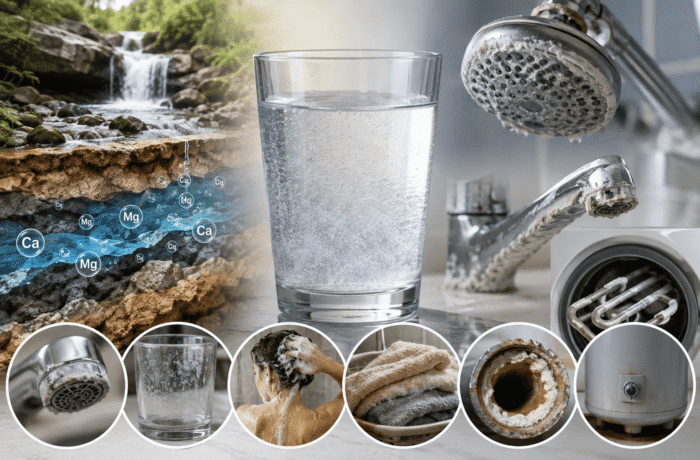
Water naturally absorbs calcium and magnesium as it passes through soil and underground rock formations. These dissolved minerals contribute to hardness and can accumulate on surfaces when water evaporates or is heated.
That’s why mineral deposits frequently appear around showerheads, faucets, and inside appliances.
You can remove visible deposits with suitable cleaning products, but the problem will likely return if the underlying hardness remains unchanged.
It’s a bit like constantly wiping muddy footprints from the floor without putting a doormat by the entrance.
For Knoxville homeowners experiencing persistent scale buildup, testing the water’s hardness is a sensible way to determine whether treatment would make a meaningful difference.
Getting Your Water Softener Installed Properly
Choosing a quality softener is important, but installation deserves just as much attention. Even dependable equipment may struggle when incorrectly sized, configured, or connected to household plumbing.
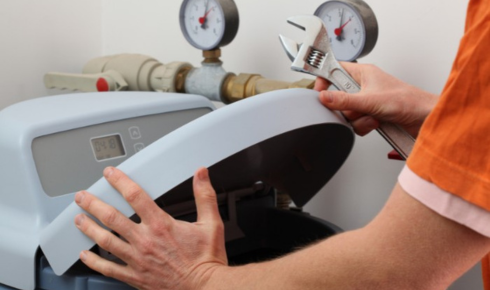
Reliable water softener installation and service can help homeowners select appropriate equipment, establish suitable regeneration settings, and keep the system operating as intended.
An installer should consider household water consumption, incoming water hardness, plumbing arrangements, and available drainage.
It’s also worth discussing whether certain outlets, such as outdoor garden faucets, should bypass the softening system.
Ask questions during installation. Understanding how your equipment operates, where to add salt, and what signs indicate a potential problem can make ownership considerably easier.
A little knowledge now may prevent unnecessary service calls later.
Understanding the Bigger Picture of Household Water Quality
Hardness is only one aspect of water quality. Some households also experience sediment, unpleasant tastes, iron staining, or other concerns that require different treatment methods.
A well-planned approach to residential water conditioning takes these individual characteristics into account rather than assuming one piece of equipment will solve everything.
Conventional softeners use ion exchange to reduce calcium and magnesium. Other technologies, including activated carbon filters and sediment filtration systems, serve different purposes.
For example, a softener may help reduce scale inside your water heater, but it isn’t designed to address every drinking water contaminant.
Appropriate testing helps determine whether your home needs softening alone or a combination of treatment technologies.
There’s no reason to pay for equipment that doesn’t address a genuine household concern.
Helping Your Appliances Work More Efficiently
Nobody enjoys discovering that an expensive household appliance needs replacing sooner than expected.
Hard water can contribute to mineral accumulation inside water heaters, dishwashers, and other water-using equipment. Over time, these deposits may interfere with performance and increase maintenance requirements.
Reducing hardness helps limit new scale formation, potentially supporting more efficient equipment operation.
However, installing a softener won’t reverse all existing damage. Appliances with considerable mineral buildup may still require cleaning or professional servicing.
Think of softening as part of an ongoing maintenance strategy rather than an instant repair.
When you’re trying to protect household investments, preventing additional buildup is a practical place to start.
The Small Differences You’ll Notice Around the House
Some of the most appreciated benefits of softer water have surprisingly little to do with expensive plumbing equipment.
Soap may lather more easily. Glassware may develop fewer mineral spots. Cleaning bathroom fixtures might become a less demanding weekend chore.
Laundry can also feel different when hardness-related mineral accumulation is reduced.
Initially, softened water may feel slightly slippery during showers. This unfamiliar sensation is often related to how soap behaves differently in softer water.
Give yourself some time to adjust, and consider reducing the amount of soap or detergent you use according to product instructions.
These everyday changes may seem minor, but they can add up to a more comfortable household routine.
Avoiding Common Water Softener Maintenance Mistakes
A water softener needs occasional attention to continue working effectively. Fortunately, most routine maintenance isn’t particularly demanding.
Check salt levels regularly and use the regenerating material recommended by the manufacturer.
Keep an eye out for salt bridging, which occurs when hardened salt forms a crust that prevents proper brine preparation.
If mineral deposits begin returning unexpectedly, don’t immediately assume the entire system needs replacing. Incorrect settings, low salt levels, or mechanical issues could be responsible.
Periodic hardness testing can help you evaluate performance rather than relying entirely on visible symptoms.
Making Softer Water a Worthwhile Investment
For Knoxville homeowners dealing with stubborn mineral deposits, a properly selected and maintained softener can offer lasting practical benefits.
Start with reliable water testing, choose equipment that suits your household’s requirements, and establish a manageable maintenance routine.
Better water doesn’t necessarily transform your home overnight. Instead, you’ll often appreciate the difference through ordinary experiences — easier cleaning, improved soap performance, and less recurring scale buildup.
Considering how frequently your household depends on water, those little improvements are certainly worth paying attention to.
After all, home maintenance is demanding enough without having to fight the same mineral deposits every weekend.