You clean the bathroom faucet on Sunday, and by Wednesday, those stubborn white marks are already making a comeback. The kettle looks cloudy inside, the showerhead sprays in odd directions, and your glassware never seems completely clean. Sound familiar? These little annoyances often have something in common: hard water.
For homeowners in Pekin and throughout Central Illinois, dealing with scale and limescale can become a recurring challenge, particularly when mineral-rich water flows through household plumbing every day.
While cleaning products help remove visible deposits, they rarely address the underlying problem. Understanding how water hardness affects your home and exploring suitable treatment options can save considerable effort over time.
Sometimes, getting ahead of a problem makes more sense than repeatedly cleaning up after it.
Understanding Why Mineral Deposits Keep Returning
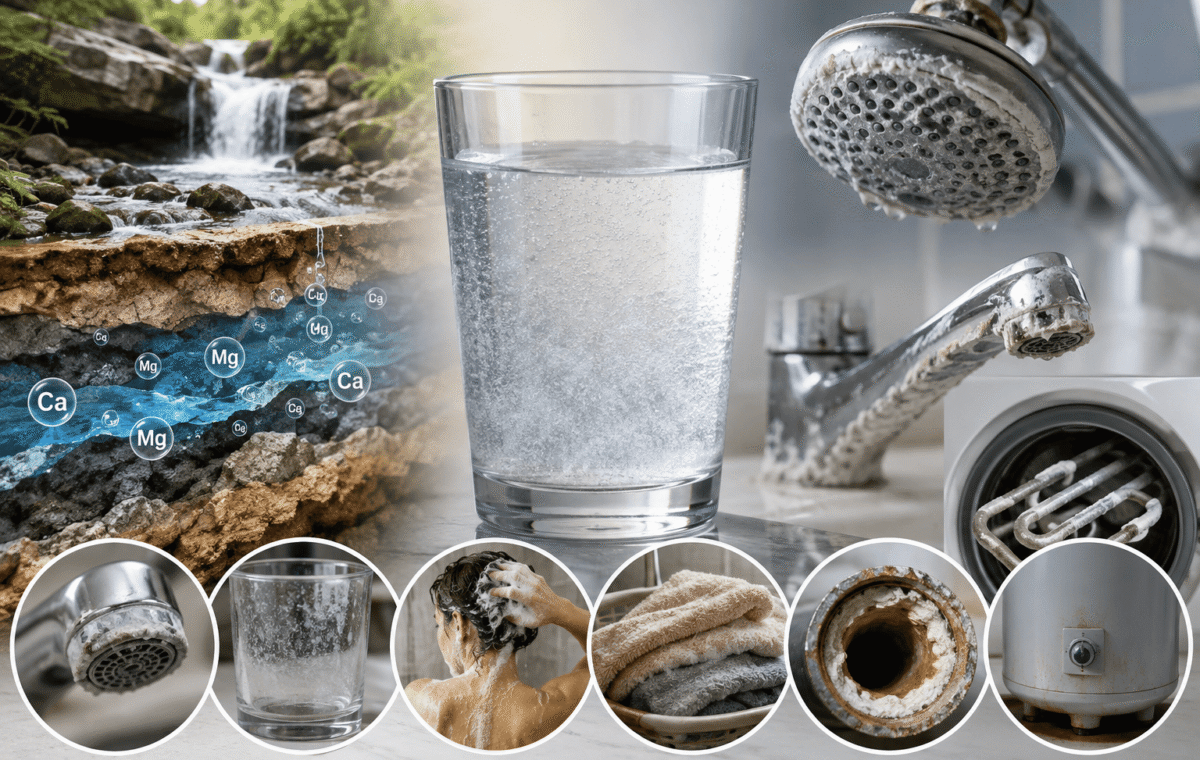
Water naturally absorbs calcium and magnesium as it passes through underground soil and rock formations. These dissolved minerals contribute to hardness, and when water evaporates or is heated, they can form solid deposits.
You’ll often notice mineral buildup around faucets, shower screens, and inside kettles. However, some of the most troublesome deposits develop in places you can’t easily see.
Water heater components, appliance valves, and plumbing fixtures can all experience gradual mineral accumulation.
Removing visible deposits may temporarily improve appearances, but incoming water continues carrying hardness minerals into your home.
An appropriate water hardness test can help determine whether installing treatment equipment would be worthwhile.
Rather than relying on appearances alone, having measurable information provides a much clearer starting point.
Getting Your Water Softener Installed Correctly
Buying a water softener is only part of the process. Proper installation and configuration play an equally important role in determining how well the equipment performs.
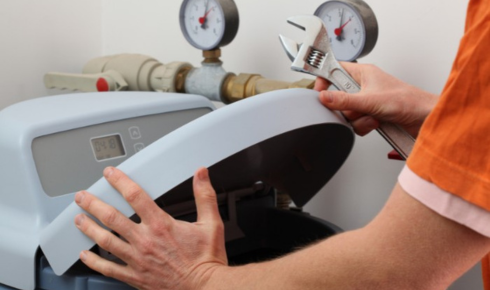
Professional water softener installation and service can help homeowners select suitable equipment, establish appropriate regeneration settings, and maintain reliable treatment performance.
An experienced installer should consider incoming water hardness, household consumption, plumbing dimensions, and available drainage.
It’s also worth discussing which outlets actually need softened water. Outdoor faucets used for watering the garden, for example, may benefit from bypassing the softener.
Ask your installer to explain basic maintenance requirements and demonstrate how the equipment operates.
Knowing how to monitor salt levels and recognize potential problems can make ownership considerably less complicated.
Looking Beyond Hardness With a More Balanced Approach
Hardness isn’t necessarily the only concern affecting your household water. Some families also experience unpleasant tastes, suspended particles, or noticeable chlorine odors.
A thoughtful approach to residential water conditioning considers these different characteristics and identifies treatment methods suited to each concern.
Conventional softeners use ion exchange to reduce dissolved calcium and magnesium. Activated carbon filters can help address certain taste and odor problems, while sediment filters capture suspended particles.
Some water refining systems combine complementary treatment technologies within one arrangement.
However, no single system should automatically be considered capable of addressing every possible water quality issue.
Understanding the differences between treatment methods helps homeowners invest in equipment that serves a genuine purpose rather than paying for unnecessary features.
Helping Your Appliances Handle Everyday Demands
Most household appliances work quietly in the background until something goes wrong. Then suddenly, you’re dealing with repair appointments, unexpected expenses, and disrupted routines.
Hardness-related deposits can accumulate inside water heaters, dishwashers, and other appliances, potentially affecting their performance.
Reducing hardness helps limit new mineral accumulation, particularly in equipment that regularly heats water.
Of course, installing a softener won’t automatically repair existing damage or remove every deposit that has developed over the years.
Older appliances may still require suitable cleaning or professional servicing.
Think of water softening as part of preventive household maintenance. It’s a practical way to address one of the factors that can contribute to unnecessary equipment wear.
Making Everyday Household Tasks Less Frustrating
The benefits of softer water aren’t limited to what happens inside your plumbing.
You may notice that soap lathers more readily, freshly washed glasses develop fewer mineral spots, and cleaning bathroom fixtures becomes less demanding.
Laundry can also feel different when hardness-related mineral accumulation is reduced.
Some homeowners initially find the sensation of softened water unfamiliar during showers. Give yourself time to adjust, and follow product recommendations when changing the amount of soap or detergent you use.
These improvements might not sound particularly exciting on their own. But considering how often you wash dishes, clean bathrooms, and do laundry, even small conveniences can make a meaningful difference.
Keeping Your Water Softener Performing Reliably
Like most household equipment, water softeners need occasional maintenance to continue working effectively.
Monitor salt levels, follow manufacturer recommendations, and pay attention to unexpected changes in water quality.
A hardened salt crust inside the brine tank can sometimes prevent proper regeneration. Incorrect system settings or mechanical issues may also contribute to declining performance.
If mineral deposits begin returning, don’t immediately assume you need replacement equipment.
Periodic hardness testing and professional inspections can help identify the actual cause.
Before purchasing a system, it’s also sensible to ask about servicing expenses, replacement components, and warranty coverage.
Understanding these ongoing responsibilities helps prevent unpleasant surprises later.
A Practical Investment in Your Central Illinois Home
Managing hard water doesn’t need to become another complicated home improvement project.
Begin with reliable water testing, choose treatment equipment that matches your household’s requirements, and establish a maintenance routine you can realistically follow.
Over time, you may appreciate the difference through cleaner-looking fixtures, improved soap performance, and fewer recurring mineral deposits.
The real value of water conditioning often lies in the ordinary moments that make up daily life.
And when something as simple as cleaning the bathroom becomes a little less frustrating, that’s a household improvement worth appreciating.