

Hot water is one of those everyday comforts that should never require planning. You wake up, turn the handle, and expect warmth—no hesitation, no mental math about who showered last. Yet most homeowners can remember the moment they realized their system wasn’t quite keeping up anymore. Maybe the water ran cold too soon. Maybe it took forever to heat. Maybe it worked… but only on good days.
Those small annoyances have a way of sneaking into your routine. You adjust without realizing it. Shorter showers. Staggered laundry. Dishes left for later. None of this feels dramatic, but it adds friction to daily life. And once friction becomes normal, something is worth rethinking.
How We Learn to Live Around Aging Systems
Most homes don’t experience sudden, cinematic breakdowns. Systems age quietly. Performance slips little by little, and because it’s gradual, we adapt. That adaptation is powerful—and misleading.
An older water heater might still function, technically. It heats water. It doesn’t leak (yet). So it’s easy to assume replacement would be overkill. But functionality isn’t the same as reliability, and reliability isn’t the same as comfort.
Eventually, homeowners reach a point where they’re not asking “Is it broken?” anymore. They’re asking, “Is this still working for us?”
Installation Is More Than a Box to Check
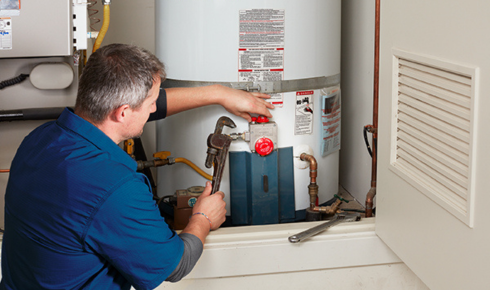
When people do decide to move forward, they’re often surprised by how much depends on proper setup. Heater installation isn’t just about connecting a new unit and walking away. It’s about sizing, placement, venting, energy supply, and how the system fits the rhythms of the household.
A unit that’s too small struggles constantly. One that’s oversized wastes energy. And one that’s installed without considering how water is actually used in the home may never feel quite right.
The best installations feel invisible after the fact. You stop thinking about them entirely—which, ironically, is the sign they were done well.
The Quiet Shift Toward On-Demand Comfort
For many homeowners, the idea of endless hot water sounds like marketing hype—wrapped in shiny brochures and promises that feel a little too good to be true. But once people experience on-demand systems, skepticism tends to fade.
That’s why interest in tankless water heater service has grown steadily. Not because it’s trendy, but because it solves a problem people didn’t realize they’d accepted for years: planning life around a storage tank.
With on-demand systems, hot water becomes predictable again. Long showers don’t steal from the next person. Guests don’t throw off routines. Appliances can run when they need to, not when the tank allows.
It’s less about luxury and more about restoring a sense of ease.
Maintenance Is the Part No One Talks About
Whether you stick with a traditional tank or move to something newer, maintenance matters. Systems that are ignored tend to complain later—often loudly and expensively.
Sediment buildup, worn components, and pressure issues don’t show up overnight. They build quietly until performance drops or failure occurs. Regular attention keeps systems running efficiently and extends their lifespan, regardless of type.
Homeowners who stay ahead of maintenance usually report fewer surprises and less stress. It’s not exciting, but it’s effective.
Why the Old Tank Isn’t Always the Villain
It’s easy to frame the traditional water heater as outdated or inefficient, but that’s not always fair. In some homes, especially those with predictable usage patterns, tank systems still make sense. They’re familiar, straightforward, and often less expensive upfront.
The key difference is awareness. Knowing what you have, how old it is, and what it’s capable of helps you make informed choices instead of reactive ones. Sometimes, a well-maintained tank is the right answer—for now.
The problem isn’t the technology. It’s assuming it will last forever without asking more of it.
Cost Isn’t Just About the Number on the Invoice
When homeowners talk about upgrading, cost inevitably enters the conversation. And yes, initial investment matters. But focusing only on upfront price often hides the bigger picture.
Energy efficiency, lifespan, repair frequency, and day-to-day convenience all factor into real cost. A system that’s cheaper today but frustrating tomorrow may not be the bargain it seems.
Homeowners who look at value instead of price tend to feel better about their decisions years later—not just when the bill is paid.
The Emotional Side of Reliable Hot Water
It sounds strange, but reliable hot water changes how a home feels. There’s a quiet confidence in knowing things will work when you need them. You stop negotiating with your schedule. You stop apologizing to guests. You stop bracing for inconvenience.
That emotional relief doesn’t show up in technical specs, but it’s real. And it’s often what people remember most after an upgrade.
Comfort isn’t flashy. It’s subtle. And when it’s missing, life feels harder than it needs to be.
Planning Ahead Beats Emergency Decisions
Few homeowners enjoy making decisions under pressure. Emergency replacements limit options and raise stress levels. Planned upgrades, on the other hand, allow time for questions, comparisons, and realistic expectations.
Even if replacement isn’t imminent, understanding your system’s age and condition puts you in control. You can plan instead of scramble. Choose instead of settle.
That sense of control makes a bigger difference than most people expect.
Starting the Conversation Without the Panic
You don’t need a crisis to start thinking about your hot water setup. Curiosity is enough. Asking how old the system is. Noticing changes in performance. Learning what alternatives exist.
The goal isn’t to rush into anything. It’s to replace uncertainty with understanding. Once you know what you’re working with, decisions feel less intimidating.
And when the time does come to act, you’ll be ready.
A Thoughtful Ending to an Everyday Essential
Hot water should be boring—in the best possible way. It should show up when needed, quietly and consistently, without asking for attention.
Whether you’re maintaining what you have or considering something new, the right choice is the one that fits your life now—not the one you’re used to tolerating.
When hot water stops being something you plan around and starts being something you trust, daily life feels smoother. Not more exciting. Just easier.
And sometimes, ease is the best upgrade a home can get.
