

There’s a certain kind of comfort you can’t quite explain. You walk into a room and it just feels… right. Not cold, not stuffy, not heavy. Just easy. The kind of space where you don’t think about breathing—you just do it.
And then there are other spaces. Nothing obviously wrong, but something feels slightly off. Maybe it’s the faint heaviness, or the way the air doesn’t seem to move. It’s subtle, but once you notice it, it stays with you.
The Air We Stop Paying Attention To
Air is one of those things we take for granted. It’s always there, invisible, doing its job quietly. We focus on what we can see—dust on shelves, clutter on tables—but the air itself rarely gets a second thought.
The truth is, indoor air carries more than we realize. Tiny particles, allergens, and even microscopic pollutants can float around unnoticed. They don’t announce themselves. They just exist, shaping how your home feels in ways you might not immediately connect.
And because it’s not obvious, it’s easy to ignore.
When You Start Noticing the Subtle Signs
Sometimes the awareness comes slowly. A room that feels a bit stuffy even with windows open. A lingering smell that doesn’t quite go away. Or maybe it’s more personal—slight irritation in your eyes, a bit of dryness in your throat.
None of it feels urgent. But it adds up.
That’s often when people begin looking into air purification—not because something is terribly wrong, but because something could be better. It’s less about fixing a problem and more about improving how your space feels every day.
And that small shift in mindset makes a difference.
Understanding What “Clean” Air Means
We talk a lot about cleanliness, but rarely about what clean air actually involves. It’s not just about removing visible dust. It’s about filtering out particles that are too small to see but still affect how you feel.
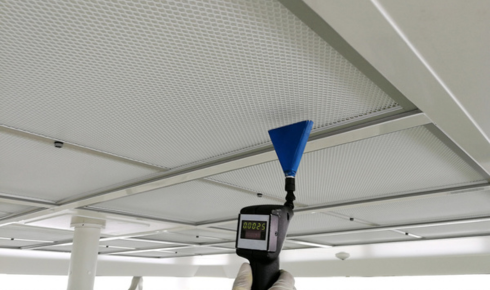
This is where things like hepa standards come into play. Without getting overly technical, these standards refer to filters designed to capture a high percentage of very fine particles—things that would otherwise remain suspended in the air.
It’s not something you notice instantly. But over time, it creates a sense of clarity in a room—a kind of lightness that’s hard to describe but easy to appreciate.
The Everyday Impact You Don’t Expect
What’s interesting is how much good air influences daily life without making a big show of it. You might find yourself sleeping a little better. Waking up without that slight heaviness you didn’t realize you’d gotten used to.
Even small things—like how a room smells after cooking, or how long it takes for dust to settle—start to shift.
It’s not dramatic. It’s gradual. But it’s consistent.
And that consistency is what makes it valuable.
Creating a Space That Feels Right
At the end of the day, most people aren’t chasing perfection. They’re just trying to create a space that feels comfortable. A place where you can relax without noticing what’s off.
That’s where the idea of a clean environment really comes into focus. It’s not about sterile conditions or over-engineering your home. It’s about balance—reducing what doesn’t belong and letting your space feel natural again.
Sometimes that means opening windows more often. Sometimes it’s about choosing better materials or cleaning habits. And sometimes, it involves tools that help maintain that balance quietly in the background.
Why It Matters More Than We Think
We spend a surprising amount of time indoors. Working, resting, eating, sleeping—it all happens within those walls. And the air in that space plays a bigger role than we often acknowledge.
It affects how we feel, how we rest, even how we focus.
Ignoring it doesn’t make it worse, necessarily. But paying attention can make things better.
And that’s usually enough reason to care.
A Subtle Upgrade That Stays With You
Looking back, improving the air in your home isn’t about a big transformation. There’s no dramatic before-and-after moment that changes everything overnight.
Instead, it’s a series of small improvements. Rooms feel fresher. Breathing feels easier. Your home becomes a place where you don’t have to think about the air at all.
And in a way, that’s the best outcome.
Because when something works exactly as it should, it fades into the background—quiet, reliable, and completely effortless.
Just like good air should be.
