Water is probably the most frequently used ingredient in your kitchen, yet it rarely receives the same attention as fresh vegetables, quality coffee beans, or carefully selected spices. When tap water has an unpleasant taste or contains unwanted dissolved substances, it can influence everything from your morning coffee to the meals you prepare for your family.
For homeowners across Moorhead, Fargo, and surrounding communities, drinking water filtration with RO offers a practical approach to addressing specific water quality concerns while making treated water readily available at home.
Reverse osmosis might sound like something better suited to a science laboratory, but residential systems are designed to fit into ordinary household routines. Understanding how they work makes choosing the right equipment considerably easier.
What Makes Reverse Osmosis an Effective Treatment Method?
Most conventional water filters rely on materials that capture particles or reduce particular unwanted substances. Reverse osmosis goes a step further by using pressure to move water through a semipermeable membrane.
This membrane allows water to pass while reducing many dissolved substances.
Depending on the equipment’s independently verified performance, reverse osmosis may reduce contaminants such as lead, nitrate, fluoride, and dissolved salts.
The technology can be particularly useful when ordinary filtration doesn’t adequately address identified drinking water concerns.
However, it’s important to remember that treatment capabilities vary between products. No system should automatically be considered capable of removing every unwanted substance.
Understanding your water quality beforehand helps you determine whether reverse osmosis is genuinely appropriate for your home.
Why Several Filtration Stages Can Work Better Together
Water may contain a combination of suspended particles, dissolved minerals, and substances that influence its taste or odor. Addressing these different characteristics often requires more than one filtration method.
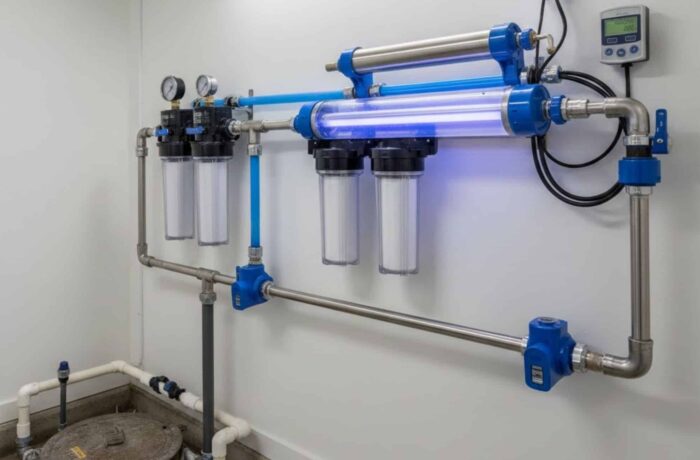
Well-designed multi-stage reverse osmosis systems incorporate complementary treatment components that perform separate functions throughout the filtration process.
A sediment cartridge typically captures suspended particles, while activated carbon helps reduce chlorine and certain substances associated with unpleasant flavors.
The reverse osmosis membrane then addresses many dissolved substances. Some systems also include a finishing filter to improve taste before water reaches the dedicated faucet.
Interestingly, having more filtration stages doesn’t automatically make a system superior.
The quality of its components, verified treatment capabilities, and appropriate design matter considerably more than the number of stages advertised on the packaging.
Finding a Filtration System That Fits Your Household
Every kitchen is different. Some homeowners have plenty of cabinet space, while others struggle to find room for cleaning supplies beneath the sink.
When comparing reverse osmosis filters for home use, consider available installation space, daily drinking water consumption, incoming water pressure, and maintenance requirements.
Traditional systems often feature a storage tank that holds treated water until needed. Tankless models produce water on demand and may offer a more compact arrangement.
Household habits should influence your decision, too.
A family that regularly prepares large meals and fills several reusable water bottles each morning may need greater production capacity than someone living alone.
Choosing equipment that reflects your actual lifestyle helps prevent unnecessary expenses and frustrating limitations.
Rediscovering the Flavors of Everyday Food and Drinks
Have you ever wondered why your favorite coffee tastes slightly different when prepared somewhere else? The water used during brewing might be part of the explanation.
Water characteristics can influence how flavors develop in coffee, tea, soups, and other homemade recipes.
Appropriate filtration may reduce unwanted tastes, allowing familiar ingredients to come through more clearly.
Some people prefer the neutral flavor of reverse osmosis-treated water, while others enjoy water containing additional minerals. Remineralization cartridges offer another option for homeowners seeking a different taste profile.
There’s also the convenience factor.
Being able to fill a cooking pot or reusable drinking bottle directly from a dedicated faucet makes ordinary kitchen activities feel a little less complicated.
Reducing Your Dependence on Bottled Water
Buying bottled water occasionally isn’t necessarily inconvenient. But when an entire household relies on it every day, the expenses and empty containers can quickly accumulate.
A suitable residential drinking water system may help reduce that dependence.
Imagine no longer having to carry heavy packages of bottled water home during a cold Minnesota winter. Having treated water available at your kitchen sink can make life noticeably easier.
Still, reverse osmosis equipment comes with operating costs of its own.
These systems produce a concentrated wastewater stream during treatment, and their efficiency varies between designs.
Consider water consumption, replacement component expenses, and maintenance requirements when evaluating the long-term financial benefits.
Keeping Your Reverse Osmosis Equipment Performing Well
Installing a filtration system is only the beginning. Maintaining it properly is equally important.
Sediment cartridges gradually collect particles, activated carbon reaches its treatment capacity, and reverse osmosis membranes eventually require replacement.
Follow the manufacturer’s recommended maintenance schedule and investigate unexpected changes in water production or flavor.
Appropriate follow-up testing is particularly important when treating specific contaminants because pleasant-tasting water doesn’t necessarily confirm successful contaminant reduction.
Before purchasing equipment, ask about replacement filter availability and professional servicing options.
Keeping a simple record of maintenance dates can help you stay organized without adding another complicated responsibility to your household routine.
Making Better Drinking Water a Lasting Household Improvement
For homeowners throughout Minnesota and North Dakota, reverse osmosis can offer meaningful benefits when selected according to reliable water quality information and everyday consumption needs.
You don’t necessarily need the most elaborate equipment available. A properly designed, maintained system that addresses your particular concerns is what matters.
Better drinking water often reveals its value through ordinary experiences — enjoying a comforting cup of tea, preparing dinner for the family, or pouring a refreshing glass of water after a busy afternoon.
These moments might seem insignificant individually, but together, they shape your experience of life at home.
And that’s what thoughtful water treatment is really about: improving something familiar, essential, and genuinely worth caring for.