

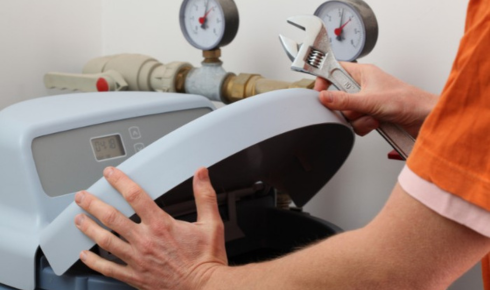
Let’s be honest—most of us don’t spend a lot of time thinking about our water softener. It’s that quiet unit tucked away in the basement or garage, just doing its thing while we enjoy smooth showers, sparkly dishes, and longer-lasting appliances. But every so often, that peaceful hum turns into something else—clicking, grinding, or that ominous groan that has you wondering… is something wrong?
Don’t ignore the noise. When your water softener system making noise, it could be more than just a quirky sound. It might be your system’s way of sending a distress signal.
Not All Noise Is Bad—But Some Definitely Is
Before we panic, let’s make one thing clear: not all sounds mean your water softener is on its last legs. Some are just part of its normal operation. For example, during the regeneration cycle, it’s perfectly normal to hear water running, valves opening and closing, or the sound of brine being drawn.
But when those noises become louder, more frequent, or change in tone, that’s when your ears should perk up.
A whirring motor, hissing from a valve, or a loud banging sound during cycles isn’t just “one of those things.” It might be mineral buildup, a clogged valve, or even a failing motor. These aren’t issues you want to leave for next month.
Listen Closely: Common Sounds & Their Meanings
Let’s break it down. If your softener’s acting up acoustically, here’s what it might be saying:
- Grinding or clicking: Could be motor-related or gears wearing down. Not normal.
- Hissing or gurgling: Usually happens during brine draw. If it’s too loud or constant, it might signal a clogged venturi valve.
- Banging or knocking: Often caused by water hammer or air in the pipes—sometimes linked to installation problems.
- Constant running water: If the system doesn’t shut off, it could be stuck in regeneration. That’s a red flag.
Don’t rely solely on your ears—trust your instincts too. If something feels off, it probably is.
Let’s Talk About Performance Too
Sounds aren’t the only indicator that your system needs attention. Sometimes the signs are more subtle—until they’re not.
The most telling signs water softener not working include:
- Soap not lathering like before
- Laundry feeling stiff or scratchy
- Spots and residue on dishes and glassware
- Scale building up around faucets and showerheads
- Dry skin or hair post-shower
These signs often creep in slowly. At first, you might blame your detergent or water heater. But when multiple symptoms show up, it’s worth checking in on your softener.
And if the system is making odd noises and underperforming? You’ve got double the reason to act.
Reviews Matter—Here’s Why
If you’re using a system from a well-known brand, it helps to look at how other users handle these issues. Reading Commers water softener reviews, for instance, can be surprisingly useful. You’ll find stories of homeowners facing the same noisy regeneration cycle or resin tank issues, and often, someone else has already solved the puzzle you’re dealing with.
It’s not just about comparing products—it’s about learning how others handle troubleshooting, repair timelines, and even warranty claims. You might discover that a simple setting adjustment fixed someone’s noisy system. That kind of real-world insight? Gold.
When to DIY and When to Call in the Pros
Some fixes are easy. If it’s just low salt levels, a clogged drain line, or a need to clean the brine tank—you can probably handle that with a little research and a Sunday afternoon.
But once you’re dealing with motor replacements, broken valves, or electronic diagnostics? That’s technician territory.
The good news? A professional can usually pinpoint the issue within one visit and recommend whether a repair or full replacement is the best bet. They’ve got the tools, parts, and—most importantly—the experience.
Don’t Put It Off—Why Early Action Pays Off
Too many homeowners wait. They hear a strange noise, notice a bit more soap scum, shrug, and carry on. But hard water does damage quietly. The longer you leave it unchecked, the more your plumbing, appliances, and even your water heater suffer.
A minor fix today could prevent a $1,200 replacement later. Plus, your daily comfort matters. Nobody likes the feeling of rough towels or spotty dishes.
Final Thoughts: Listen to Your Water Softener
Your water softener isn’t just a machine—it’s a guardian of your home’s water quality. It protects your pipes, your skin, your appliances, and your peace of mind.
So if it starts making noise, or if your water doesn’t feel quite right—don’t ignore it. Whether it’s a small adjustment or a more serious repair, staying on top of softener issues can save you stress, money, and frustration in the long run.
A softener isn’t just part of your plumbing system—it’s part of your lifestyle. Treat it that way.
