

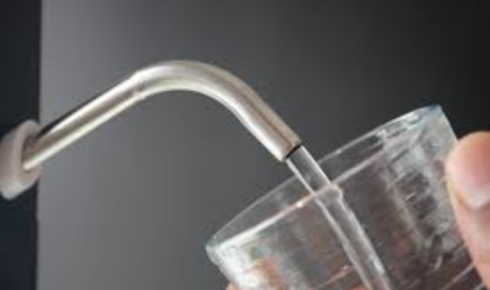
I didn’t plan to think this much about water. It just happened one morning—half-awake, making tea, noticing the taste wasn’t quite right. Not bad, not alarming. Just different enough to linger. Funny how something so ordinary can suddenly feel unfamiliar.
We build our days around water without thinking about it. And then one day, we do.
The Moment You Start Paying Attention
Water has a quiet way of changing. It doesn’t announce itself. It just shifts slightly—taste, smell, clarity—and waits for you to notice. Most of us don’t, at least not right away. We adjust. We ignore. We blame the kettle, the cup, the brand of tea.
But eventually, curiosity wins.
You start wondering what’s actually in your water. Not in a dramatic, conspiracy-theory kind of way—just in a practical, everyday sense. Because if it’s something you use constantly, it should feel right.
What’s Happening Behind the Scenes
Here’s the thing: tap water isn’t just water. It carries traces of minerals, treatment chemicals, and sometimes tiny particles you’d never see without looking closely. Most of it is regulated, yes. Safe, technically. But “safe” doesn’t always mean pleasant.
That’s where understanding the filtration process becomes useful. Not in a technical, textbook way—but in a simple, human way. It’s about removing what doesn’t belong and keeping what does. About bringing water back to a state that feels natural.
And once you get that idea, everything else starts to make sense.
When Taste Becomes the Turning Point
For many people, the journey starts with taste. Water that doesn’t taste good is hard to ignore. You find yourself drinking less, or reaching for bottled alternatives without really thinking about it.
But when the taste improves—when it becomes clean, neutral, almost invisible—you notice the difference immediately. You drink more. You enjoy it again.
That’s where a reverse osmosis water filter often enters the conversation. It’s not magic, and it’s not for everyone, but it does something very specific: it filters water at a deeper level, removing many of the elements that affect taste and clarity.
The result isn’t dramatic. It’s just… right.
Beyond the Glass in Your Hand
It’s easy to think of water only in terms of what you drink. But it’s everywhere. It touches your cooking, your cleaning, your daily routines in ways you don’t always notice.
Still, drinking water is where the impact feels most immediate. It’s personal. It’s something you interact with multiple times a day. And when that experience improves, it has a ripple effect on everything else.
You start trusting your water again. And that trust matters more than we usually admit.
Finding What Works for Your Space
There’s no single answer when it comes to water improvement. What works perfectly in one home might not make sense in another. Water varies—by location, by source, by infrastructure.
So instead of chasing the “best” solution, it’s better to look for the right one. Something that fits your needs, your habits, your environment.
Start with what you notice. Let your experience guide you. You don’t need to understand every detail—you just need to understand enough to make a thoughtful choice.
The Quiet Comfort of Better Water
Here’s something I didn’t expect: improving water isn’t just practical—it’s emotional too. When your water feels right, it brings a sense of ease. You stop questioning it. You stop thinking about it.
And in a way, that’s the goal.
Because your home should feel effortless. The things you rely on every day shouldn’t add friction—they should support you quietly, consistently.
A Thought to Take With You
Water is one of those essentials we rarely question until it nudges us to. And when it does, it’s not about panic—it’s about awareness.
You don’t need to rush into solutions or overcomplicate things. Just start noticing. Pay attention to the details you might have overlooked before.
Because sometimes, the smallest changes—like improving your water—can make your everyday life feel just a little more comfortable, a little more balanced.
And it might all begin with that one glass that didn’t taste quite right.
